

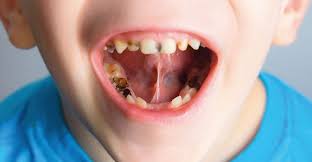
Dental caries, commonly known as tooth decay or cavities, is one of the most prevalent chronic diseases in children. It occurs when the hard surfaces of the teeth are damaged by acids produced by bacteria in the mouth. Here’s an overview of dental caries in children:
1. Causes of Dental Caries
- Bacteria: The primary bacteria involved in tooth decay is Streptococcus mutans. These bacteria feed on sugars and starches left on the teeth, producing acids that erode tooth enamel.
- Diet: Frequent consumption of sugary foods and drinks contributes significantly to the development of cavities. Sticky snacks like candy and dried fruit are particularly harmful.
- Poor Oral Hygiene: Inadequate brushing and flossing allow plaque—a sticky film of bacteria—to build up on teeth, leading to decay.
- Fluoride Deficiency: Fluoride strengthens tooth enamel, making it more resistant to acid attacks. Lack of fluoride, whether from water, toothpaste, or supplements, increases the risk of caries.
2. Signs and Symptoms
- White Spots: Early caries may appear as white spots on the tooth surface, indicating demineralization.
- Brown or Black Spots: As the decay progresses, the affected area may turn brown or black.
- Sensitivity: Children may experience sensitivity to hot, cold, or sweet foods and drinks.
- Toothache: As cavities deepen, they can cause pain, especially when chewing.
- Visible Holes or Pits: Advanced decay can create holes or pits in the teeth.
3. Risk Factors
- Age: Children are particularly susceptible to caries, especially those between ages 1 and 3.
- Bottle-Feeding: Prolonged bottle-feeding, especially with sugary liquids like juice or milk at bedtime, can lead to “baby bottle tooth decay.”
- Lack of Dental Care: Delayed or infrequent dental visits contribute to undetected and untreated cavities.
- Family History: A history of dental caries in parents or siblings increases the risk in children.
4. Prevention Strategies
- Good Oral Hygiene: Start brushing a child’s teeth as soon as they appear using a small amount of fluoride toothpaste. Floss once two teeth touch.
- Regular Dental Check-Ups: Children should visit a dentist by their first birthday and continue with regular check-ups every six months.
- Healthy Diet: Limit sugary snacks and drinks. Encourage water and a balanced diet rich in fruits, vegetables, and whole grains.
- Fluoride Use: Ensure that children get adequate fluoride, either through water, toothpaste, or supplements as recommended by a dentist.
- Dental Sealants: These protective coatings can be applied to the chewing surfaces of the back teeth to prevent decay.
5. Treatment Options
- Fluoride Treatments: In the early stages of decay, fluoride treatments can help remineralize the teeth and reverse the decay process.
- Fillings: Cavities that have progressed beyond the enamel will need to be filled with materials like composite resin, amalgam, or porcelain.
- Crowns: In cases of extensive decay, a crown may be necessary to restore the tooth’s function and appearance.
- Extractions: Severely decayed teeth that cannot be restored may need to be removed.
6. Long-Term Impact
- Oral Health: Untreated dental caries can lead to pain, infection, and problems with eating, speaking, and learning.
- General Health: Severe decay can spread infection to other parts of the body, leading to more serious health issues.
- Dental Anxiety: Painful dental experiences in childhood can lead to dental anxiety or phobia later in life.
By maintaining good oral hygiene, promoting healthy dietary habits, and ensuring regular dental visits, parents can help prevent dental caries in their children and set the foundation for a lifetime of good oral health.

Iron supplements can be an important consideration for infants, especially those who are at risk for iron deficiency. Here’s an overview of what you need to know about iron supplements for infants:
Importance of Iron for Infants
Iron is essential for infants because:
- Brain Development: Iron supports cognitive and psychomotor development.
- Blood Production: Iron is crucial for producing hemoglobin, which carries oxygen in the blood.
When are Iron Supplements Necessary?
- Premature Infants: Babies born before 37 weeks are often prescribed iron supplements because they have less time to build up iron stores in the womb.
- Low Birth Weight Infants: Infants with a low birth weight (<2500 grams or 5.5 pounds) may require additional iron.
- Infants with Iron Deficiency Anemia: If diagnosed, a healthcare provider will likely recommend iron supplements.
- Breastfed Infants: Full-term, exclusively breastfed babies might need iron supplementation starting around 4 months of age as breast milk alone may not provide enough iron.
Sources of Iron for Infants
- Breast Milk and Formula: Breast milk contains iron but in lower amounts. Infant formula is usually fortified with iron.
- Iron-Rich Foods: Introduce pureed meats, iron-fortified cereals, beans, and green leafy vegetables starting around 6 months.
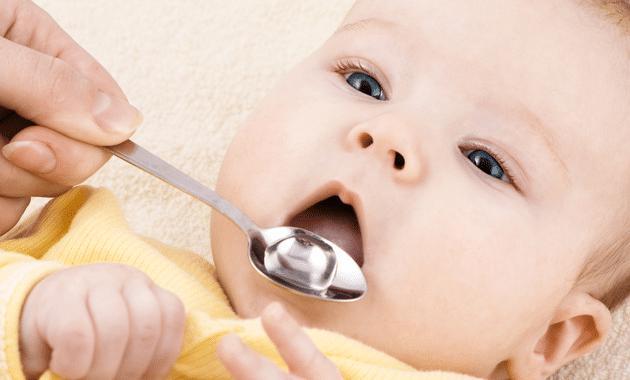
- Iron Supplements: As prescribed by a pediatrician, typically available in liquid form for easy administration.
Potential Side Effects
- Stomach Upset: Nausea, vomiting, constipation, or diarrhea.
- Discoloration of Stool: Iron supplements can cause dark or greenish stools.
- Staining of Teeth: Liquid iron can stain teeth temporarily; giving it with a dropper and brushing teeth afterward can help.
Safety and Precautions
- Proper Dosage: Always follow the dosage prescribed by a healthcare provider.
- Avoid Overdose: Keep supplements out of reach of children to prevent accidental overdose.
- Monitoring: Regular follow-ups with a healthcare provider to monitor iron levels and adjust dosage as needed.
Tips for Administering Iron Supplements
- With Food or Juice: Giving iron with vitamin C-rich foods or juice can enhance absorption.
- Avoid Milk: Do not give iron with milk or dairy products, as calcium can interfere with iron absorption.
- Use a Dropper or Syringe: Measure the exact dosage to ensure the infant receives the correct amount.
When to Consult your pediatrician
- If your infant shows signs of iron deficiency (pale skin, fatigue, slow growth).
- If your infant has adverse reactions to iron supplements.
- For advice on proper nutrition and iron-rich diet for your infant.
Conclusion
Iron supplements can be crucial for the healthy growth and development of infants, particularly for those at risk of iron deficiency. It’s important to consult with a pediatrician to determine if supplements are necessary and to ensure they are given safely and effectively.

Ingesting any pesticide, including Laxman Rekha (which contains the active ingredient cypermethrin), is a serious health hazard and requires immediate medical attention. Here’s what you should do if a child ingests this substance:
Immediate Steps:
Do Not Induce Vomiting: Inducing vomiting can cause further harm.
Check for Symptoms: Symptoms of cypermethrin poisoning can include nausea, vomiting, abdominal pain, dizziness, headaches, and in severe cases, seizures and respiratory distress.
Rinse the Mouth: If the child is conscious, rinse their mouth with water to remove any remaining substance.
Call Emergency Services: Contact emergency medical services or take the child to the nearest emergency room immediately.
Contact Poison Control: Call your local poison control center for specific advice on what to do next.
Medical Treatment:
Activated Charcoal: In some cases, medical professionals may administer activated charcoal to help absorb the toxin.
Supportive Care: Treatment may include intravenous fluids, medications to control symptoms, and monitoring of vital signs.
Hospitalization: In severe cases, hospitalization may be necessary for ongoing care and monitoring.
Prevention:
Always store pesticides and other hazardous substances out of reach of children.
Use child-resistant packaging when available.
Educate children about the dangers of ingesting unknown substances.
Ingesting Laxman Rekha or any other pesticide is a medical emergency. Prompt action can save lives and prevent serious health complications.


Iron is an essential mineral for children’s growth and development. It’s crucial for the production of hemoglobin, the protein in red blood cells that carries oxygen throughout the body. Here are key points parents should know about oral iron supplementation for children:
Why Iron is Important:
- Growth and Development: Iron supports proper growth and muscle development.
- Cognitive Function: Adequate iron levels are important for brain development and function.
- Immune System: Iron is essential for a healthy immune system.
Sources of Iron:
- Dietary Sources: Red meat, poultry, fish, beans, lentils, tofu, spinach, and fortified cereals.
- Supplements: Oral iron supplements may be recommended if dietary intake is insufficient or if a child is diagnosed with iron deficiency anemia.

Colic is a common condition in infants, characterized by episodes of intense, unexplained crying and discomfort. It typically occurs in the first few months of life and can be very distressing for both the baby and the parents. Here’s what parents need to know about colic pain in infants:
Symptoms of Colic:
- Intense Crying: Episodes of crying that last for several hours, usually occurring in the late afternoon or evening.
- Clenched Fists: The baby may clench their fists, curl their legs, and tense their abdominal muscles.
- Facial Grimacing: The baby might have a pained expression and may appear to be in distress.
- Difficulty Sleeping: Colicky babies often have trouble falling asleep or staying asleep.
Possible Causes:
The exact cause of colic is unknown, but several factors may contribute:
- Digestive Issues: Immature digestive systems may lead to gas, bloating, and discomfort.
- Overstimulation: Sensory overload from lights, sounds, and activities can contribute to colic.
- Feeding Problems: Difficulty feeding, whether breastfeeding or bottle-feeding, can sometimes cause colic symptoms.
- Allergies or Intolerances: In some cases, food allergies or intolerances (such as to cow’s milk) may be a factor.
Management and Relief Strategies:
- Comforting Techniques: Rocking, swaddling, holding the baby, or using a pacifier can provide comfort.
- Burping: Ensure the baby is burped frequently during and after feedings to reduce gas.
- Warm Baths: A warm bath can sometimes soothe a colicky baby.
- Probiotics: Some studies suggest that probiotics may help reduce colic symptoms in breastfed babies.
- Dietary Changes:For formula-fed babies, trying a different formula may be beneficial.
- Holding Positions: Holding the baby in different positions, such as upright or on their stomach across your forearm, may provide relief.
When to Seek Medical Advice:
- Severe or Prolonged Crying: If the crying is exceptionally severe or lasts for more than three hours a day, it’s important to consult a healthcare provider.
- Feeding Difficulties: If the baby is not feeding well, losing weight, or has other symptoms like vomiting or diarrhea.
- Health Concerns: Any concerns about the baby’s health or development should be discussed with a pediatrician.
Support for Parents:
- Take Breaks: It’s essential for parents to take breaks and ask for help to manage stress and fatigue.
- Parenting Groups: Joining a support group or talking to other parents can provide emotional support and practical tips.
- Professional Help: If the stress becomes overwhelming, seeking professional help from a healthcare provider or counselor is advisable.
Colic can be challenging, but it usually improves by the time the baby is about 3-4 months old. With patience, support, and appropriate management, parents can help their baby through this difficult phase.

Exclusive breastfeeding means that an infant receives only breast milk and no other liquids or solids (not even water) except for vitamins, minerals, and medications as advised by healthcare providers. It’s recommended for the first six months of life because breast milk provides all the nutrients an infant needs for healthy growth and development. It not only provides nutrition but also immunity of the mother which gets transferred to the baby through breast milk. This will protect the little ones from various infections in the early months of life.
Recent Posts

September 25, 2026

August 24, 2026