Medical Info For Parents

IMG_0006.jpeg
05/Nov/2024

The HPV (human papillomavirus) vaccine is recommended for children, typically starting at ages 9 years , to protect against certain types of HPV that can cause cancers later in life, including cervical, throat, anal, and genital cancers. Here’s what parents should know:

1. What the Vaccine Protects Against

The HPV vaccine helps protect against infections from the most common cancer-causing types of HPV. It also protects against genital warts and some other health conditions linked to HPV.

2. Timing and Dosing

  • Ages 9-14:  The vaccine is ideally given during early adolescence, before any potential exposure to HPV through sexual contact. Two doses are given, spaced 6 months apart.
  • Ages 15 and older: If a child starts the series at age 15 or older, they will need three doses over six months for full protection.

3. Safety

The HPV vaccine has been rigorously tested and is considered safe for children. Most side effects are mild, such as pain at the injection site, fever, or headache. Serious side effects are very rare.

4. Effectiveness

The HPV vaccine is most effective when given before exposure to the virus, which is why early vaccination is crucial. It’s highly effective in preventing infections from the types of HPV that cause most HPV-related cancers.

5. Why It’s Important

HPV is common, and most sexually active people will get it at some point. While most infections don’t cause problems, some types of HPV can lead to cancer later in life. Vaccination provides a way to prevent these cancers.

6. Long-Term Protection

Research shows that the HPV vaccine offers long-lasting protection against the virus. There’s no need for booster shots once the initial series is completed.

7. Addressing Concerns

Some parents may have concerns about the HPV vaccine, particularly around the idea of encouraging sexual activity. The vaccine is not linked to early sexual behavior and does not encourage sexual activity; it is simply a preventive health measure for the future.

8. The Global Impact

Countries with high HPV vaccination rates have seen significant drops in HPV-related cancers. Vaccinating children now can help reduce the incidence of these cancers in the future.

In summary, the HPV vaccine is a safe and effective way to protect your child from HPV-related cancers. It is best given at a young age, ideally around 9 years, before potential exposure to the virus. If you have concerns, it’s always a good idea to talk to your child’s healthcare provider for personalized advice.


IMG_0370.jpeg
26/Oct/2024

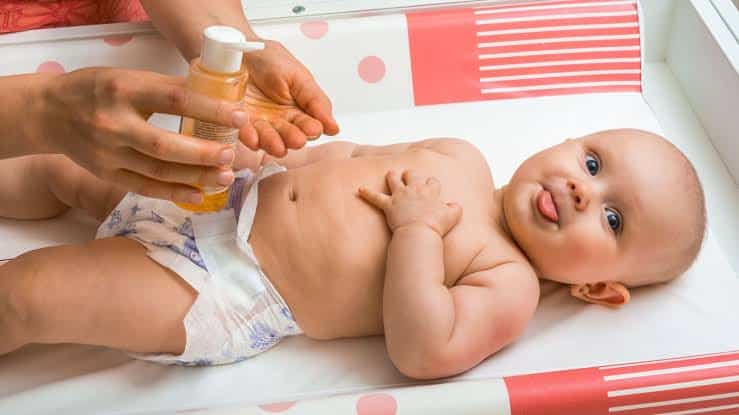
  • Massage can be incredibly beneficial for newborn babies, promoting relaxation, bonding, and overall well-being. Here’s what parents should know:

*Benefits of Massage for Newborns:*

1. *Relaxation and stress relief*: Massage helps regulate the baby’s nervous system, reducing stress and promoting relaxation.

2. *Improved sleep*: Regular massage can help establish a healthy sleep routine and improve sleep quality.

3. *Bonding and attachment*: Massage enhances the emotional connection between parent and baby.

4. *Pain relief*: Massage can help alleviate discomfort from gas, colic, or teething.

5. *Increased circulation*: Massage stimulates blood flow, promoting healthy growth and development.

6. *Enhanced sensory awareness*: Massage helps babies develop awareness of their body and surroundings.

7. *Supports digestive health*: Massage can aid digestion and relieve constipation.


*Tips for Massaging Your Newborn:*

1. *Choose a quiet, warm space*: Ensure the room is free from distractions and comfortable for your baby.

2. *Use gentle, oil-based lubricants*: Opt for baby-friendly oils or lotions to reduce friction.

3. *Start with gentle strokes*: Begin with light, soft touches, gradually increasing pressure as needed.

4. *Watch for cues*: Pay attention to your baby’s body language; if they seem uncomfortable or fussy, stop.

5. *Massage in small sections*: Focus on one area at a time, such as the head, arms, or legs.

6. *Be mindful of sensitive areas*: Avoid massaging the spine, joints, or sensitive areas like the eyes or mouth.

7. *Keep sessions short*: Begin with 5-10 minute sessions, gradually increasing duration as your baby becomes accustomed.


*Best Massage Techniques for Newborns:*

1. *Head and Face Massage*:

– Gently stroke from forehead to chin.

– Massage temples and ears.

2. *Arm and Hand Massage*:

– Hold the arm and gently stroke from shoulder to wrist.

– Massage each finger individually.

3. *Leg and Foot Massage*:

– Hold the leg and stroke from thigh to ankle.

– Massage each toe individually.

4. *Back and Chest Massage*:

– Gently stroke from shoulders to lower back.

– Use gentle, circular motions on the chest.


*Precautions and Contraindications:*

1. *Premature or fragile babies*: Consult your pediatrician before starting massage.

2. *Infectious illnesses*: Avoid massage if your baby has a fever or contagious illness.

3. *Open wounds or injuries*: Avoid massaging areas with open wounds or injuries.

4. *Congenital conditions*: Consult your pediatrician if your baby has a congenital problems.

By incorporating massage into your newborn’s routine, you can foster a deeper connection, promote relaxation, and support overall well-being.


download.jpg
10/Aug/2024

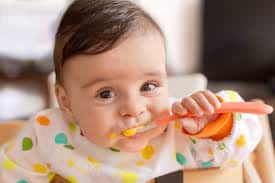
Introducing a weaning diet, also known as complementary feeding, is an important step in an infant’s development. Here’s a comprehensive guide on how to initiate a weaning diet in infants:

1. Timing

  • Age: The ideal age to start introducing solid foods is around 6 months. However, some infants might show readiness slightly earlier, between 4-6 months. It’s essential to ensure your baby is ready before starting.

2. Signs of Readiness

  • Head control: Your baby should be able to hold their head up and sit with minimal support.
  • Interest in food: Shows curiosity about what you’re eating, reaching for food or opening their mouth when offered a spoon.
  • Ability to chew: Even without teeth, your baby should be able to mash food with their gums.

3. First Foods

  • Start with single-ingredient foods: This helps in identifying any potential allergies or intolerances. Good first foods include:
    • Iron-fortified infant cereals (mixed with breast milk or formula)
    • Pureed fruits (bananas, apples, mango, pears)
    • Pureed vegetables (carrots, sweet potatoes, peas)

4. Introducing Solids

  • Consistency: Start with very thin and smooth purees and gradually thicken them as your baby gets used to the textures.
  • Small portions: Offer a few spoon fulls once or twice a day.
  • Frequency: Begin with one meal per day and gradually increase to 2-3 meals as your baby becomes more comfortable with eating.

5. Allergenic Foods

  • Introduce early: Contrary to previous beliefs, introducing allergenic foods early can actually help prevent allergies. Common allergenic foods include:
    • Peanuts
    • Eggs
    • Dairy
    • Wheat
    • Soy
    • Fish and shellfish
  • Method: Introduce one allergenic food at a time, waiting 3-5 days before introducing another, to monitor any reactions.

6. Variety and Texture

  • Progression: Move from purees to mashed foods and then to soft finger foods as your baby’s chewing and motor skills develop.
  • Variety: Offer a variety of foods to expose your baby to different flavors and textures. This also ensures they get a wide range of nutrients.

7. Safety Tips

  • Choking hazards: Avoid foods that pose a choking risk, such as whole grapes, nuts, popcorn, and hard candies.
  • Supervision: Always supervise your baby while they are eating.
  • Hygiene: Ensure utensils and food preparation areas are clean to prevent foodborne illnesses.

8. Responsive Feeding

  • Cues: Pay attention to your baby’s hunger and fullness cues. Allow them to eat at their own pace and stop when they indicate they are full.
  • Patience: Some foods might be rejected initially. It can take several attempts before a baby accepts a new food.

9. Drinks

  • Breast milk or formula: Continue offering breast milk or formula as the primary source of nutrition until at least 12 months.
  • Water: Small amounts of water can be introduced around 6 months, especially with meals.
  • Avoid: Avoid giving juice, or sugary drinks to infants under 12 months.

10. Creating a Routine

  • Consistent mealtimes: Establish a routine that includes regular mealtimes, which helps babies develop healthy eating habits.
  • Family meals: Whenever possible, include your baby in family meals to encourage social interaction and mimicry of eating behaviors.

11. Consultation

  • Pediatrician: Always consult with a pediatrician or a healthcare provider if you have any concerns about your baby’s diet or if you suspect food allergies.

Summary

Initiating a weaning diet is a gradual process that involves patience and attentiveness to your baby’s needs and responses. By providing a balanced variety of foods and textures, you help your baby develop healthy eating habits and nutritional preferences that will last a lifetime.


IMG_0457.jpeg
13/Apr/2024

Parents can take several precautions to help prevent loose stools or manage them effectively:

  1. Good hygiene practices: Encourage frequent handwashing with soap and water, especially before meals and after using the bathroom, to prevent the spread of infections.
  2. Proper food handling: Ensure that food is prepared and stored safely to prevent contamination. Cook meats thoroughly, wash fruits and vegetables, and avoid giving children unpasteurized dairy products.
  3. Hydration: Make sure your child drinks plenty of fluids, such as water or ORS, to prevent dehydration, especially during episodes of loose stools.
  4. Healthy diet: Provide a balanced diet rich in fruits, vegetables, whole grains, and lean proteins to support overall gut health.
  5. Avoiding triggers: Identify and avoid foods or drinks that may trigger loose stools in your child, such as excessive sugary snacks or drinks, spicy foods, or certain allergens.
  6. Regular medical check-ups: Schedule regular visits with your child’s pediatrician for routine check-ups and vaccinations to prevent infections that can lead to loose stools.
  7. Prompt medical attention: Consult your pediatrician immediately, if your child experiences persistent or severe loose stools, signs of dehydration, or other concerning symptoms such as fever or abdominal pain.

By following these precautions, parents can help reduce the risk of loose stools in children and manage them effectively when they occur.


Dr. Vibin KV

Dr. Vibin KV is best pediatrician in south Delhi, near safdarjung enclave. He has over 14 years experience in managing sick children from newborn to 18 years of age.
Conditions treated and services provided at the clinic include:
1) Respiratory illnesses with cough or noisy breathing- bronchiolitis, bronchitis, pneumonia, wheezing, asthma, foreign body, Inhaler therapy etc.
2) Vaccinations in all age groups.
3) New Born baby care.
4) Diarrhea, dysentery, dehydration.
5) Liver and Kidney Failure.
6) Brain infection including meningitis, encephalitis etc.
7) Urinary problems like Urinary tract infection, poor urine stream, painful urine, tight skin of the penis (phimosis) or paraphimosis, redness or pus at penis area.
8) Nephrotic syndrome and other Kidney related problems.
9) Jaundice, Hepatitis.
10) Poor growth, short stature, overweight, obesity.
11) Childhood diabetes and other endocrine problems in children.
12) Colic in infants.
13) Constipation in infants and older children.
14) Skin conditions like allergies, eczema, dermatitis, herpes, Rashes, dry skin, Dandruff, white patch over face, hair fall, dry scalp, diaper rash, nail problems etc.
15) Hernia or hydrocele- swelling in umbilical, swelling in testis, swelling in inguinal region.
16) Fever and Infections (bacterial, viral, fungal etc)
17) Seizures - Epilepsy, Febrile seizures.
18) worm infestations
19) Fall from height, head injury, Trauma, fractures (bone injury) etc.
20) PICC line and central line insertions.
21) Day care and Inpatient care facilities.
22) Adolescent care - emotional, psychological health.
23) Autism, ADHD, hyperactivity, learning disabilities, Developmental delay.
24) Short surgical procedures needing IV sedation.

Copyright by Dr. VibinKV 2023. All rights reserved.