HPV vaccine in children
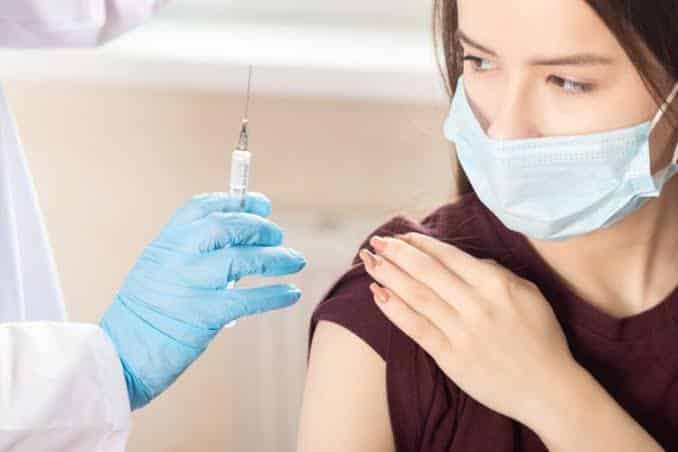
The HPV (human papillomavirus) vaccine is recommended for children, typically starting at ages 9 years , to protect against certain types of HPV that can cause cancers later in life, including cervical, throat, anal, and genital cancers. Here’s what parents should know:
1. What the Vaccine Protects Against
The HPV vaccine helps protect against infections from the most common cancer-causing types of HPV. It also protects against genital warts and some other health conditions linked to HPV.
2. Timing and Dosing
- Ages 9-14: The vaccine is ideally given during early adolescence, before any potential exposure to HPV through sexual contact. Two doses are given, spaced 6 months apart.
- Ages 15 and older: If a child starts the series at age 15 or older, they will need three doses over six months for full protection.
3. Safety
The HPV vaccine has been rigorously tested and is considered safe for children. Most side effects are mild, such as pain at the injection site, fever, or headache. Serious side effects are very rare.
4. Effectiveness
The HPV vaccine is most effective when given before exposure to the virus, which is why early vaccination is crucial. It’s highly effective in preventing infections from the types of HPV that cause most HPV-related cancers.
5. Why It’s Important
HPV is common, and most sexually active people will get it at some point. While most infections don’t cause problems, some types of HPV can lead to cancer later in life. Vaccination provides a way to prevent these cancers.
6. Long-Term Protection
Research shows that the HPV vaccine offers long-lasting protection against the virus. There’s no need for booster shots once the initial series is completed.
7. Addressing Concerns
Some parents may have concerns about the HPV vaccine, particularly around the idea of encouraging sexual activity. The vaccine is not linked to early sexual behavior and does not encourage sexual activity; it is simply a preventive health measure for the future.
8. The Global Impact
Countries with high HPV vaccination rates have seen significant drops in HPV-related cancers. Vaccinating children now can help reduce the incidence of these cancers in the future.
In summary, the HPV vaccine is a safe and effective way to protect your child from HPV-related cancers. It is best given at a young age, ideally around 9 years, before potential exposure to the virus. If you have concerns, it’s always a good idea to talk to your child’s healthcare provider for personalized advice.