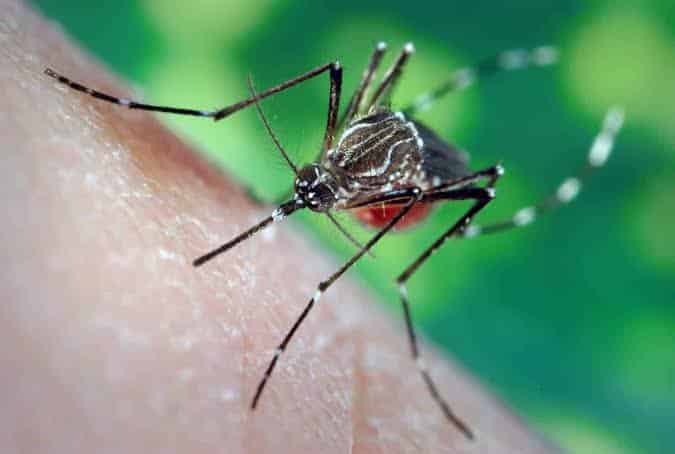

Dengue is a viral infection transmitted through the bites of infected mosquitoes, primarily the Aedes aegypti mosquito. Children, especially those under the age of 10, are at a higher risk of severe complications from dengue. To protect children from dengue, it’s important to take the following precautions:
- Use mosquito repellents: Choose repellents that are safe for children and contain ingredients such as DEET, picaridin, or oil of lemon eucalyptus.
- Dress appropriately: Dress your child in light-colored, long-sleeved shirts and long pants to minimize exposed skin during peak mosquito activity times, which are early morning and late afternoon to evening.
- Use mosquito nets: If your child sleeps during the daytime or in areas where mosquito exposure is likely, use mosquito nets over their beds or cribs to provide an extra layer of protection.
- Eliminate breeding sites: Ensure that there are no stagnant water sources around your home, as these are potential breeding grounds for mosquitoes. Regularly empty and clean containers such as flower pots, water buckets, and discarded tires where water can accumulate.
- Stay indoors during peak mosquito activity: When possible, keep children indoors during times when mosquitoes are most active, especially in areas with a high incidence of dengue.
- Screen windows and doors: Install screens on windows and doors to keep mosquitoes out while allowing air circulation.
- Seek medical attention: If your child shows symptoms of dengue, such as high fever, severe headache, pain behind the eyes, joint and muscle pain, rash, or bleeding, consult your pediatrician immediately. Early diagnosis and treatment can prevent complications.
- Stay hydrated: Encourage your child to drink plenty of fluids to prevent dehydration, especially if they have a fever.
- Avoid self-medication: Do not give your child aspirin or non-steroidal anti-inflammatory drugs (NSAIDs) like ibuprofen unless prescribed by your pediatrician. These medications can increase the risk of bleeding in dengue cases.
- Educate your child: Teach your child about the importance of preventing mosquito bites and the risks associated with dengue. Encourage them to use repellents and wear protective clothing when outdoors.
By taking these precautions, you can reduce the risk of your child contracting dengue and experiencing severe complications if they do become infected. If dengue is prevalent in your area, it’s crucial to stay informed about local health advisories and follow any additional recommendations from health authorities.