Medical Info For Parents

IMG_0026.webp
13/Jan/2025

Human Metapneumovirus (hMPV) is a common respiratory virus that can cause infections in people of all ages, but it is particularly concerning for young children, older adults, and individuals with weakened immune systems. Here’s what parents should know about hMPV:

1. Symptoms

  • Mild Cases: Symptoms often resemble those of a common cold, including runny nose, cough, fever, sore throat, and congestion.
  • Severe Cases: In more severe infections, especially in young children or those with underlying health conditions, hMPV can cause bronchiolitis or pneumonia. Symptoms may include wheezing, difficulty breathing, and rapid breathing.

2. Transmission

  • hMPV spreads through respiratory droplets when an infected person coughs or sneezes.
  • It can also spread by touching contaminated surfaces and then touching the face, especially the nose, mouth, or eyes.

3. Who Is at Risk?

  • Young children, particularly those under the age of 2.
  • Older adults, especially those over 65.
  • People with weakened immune systems or chronic medical conditions such as asthma or heart disease.

4. Prevention

  • Good hygiene practices: Encourage children to wash their hands frequently with soap and water.
  • Avoid close contact: Keep children away from people who are sick.
  • Disinfect surfaces: Regularly clean and disinfect frequently touched surfaces.
  • Teach proper cough etiquette: Teach children to cough or sneeze into their elbow or a tissue and dispose of tissues properly.

5. Treatment

  • There is no specific antiviral treatment for hMPV.
  • Treatment focuses on relieving symptoms, such as using fever reducers, staying hydrated, and ensuring the child gets plenty of rest.
  • In severe cases, hospitalization may be required for oxygen therapy or more intensive care.

6. When to Seek Medical Attention

  • If your child shows signs of severe respiratory distress, such as difficulty breathing, wheezing, or a bluish tint to the skin, seek medical care immediately.
  • If symptoms worsen or do not improve after a few days, consult your pediatrician.

Summary

While hMPV is generally mild, it can cause serious illness in vulnerable populations. Parents should be vigilant about hygiene practices, monitor symptoms, and seek medical advice if their child shows signs of a more severe infection.

IMG_0014.jpeg
12/Dec/2024

Dry skin in children is a common concern, especially during colder months or in areas with low humidity. It can cause discomfort, itching, and irritation. Here’s what parents need to know:

Causes of Dry Skin in Children

  1. Weather Conditions: Cold, dry air in winter or excessive heat can strip moisture from the skin.
  2. Frequent Bathing: Over-bathing or using hot water can remove natural oils from the skin.
  3. Harsh Soaps: Soaps or cleansers with strong fragrances and chemicals can dry out the skin.
  4. Environmental Factors: Low indoor humidity due to heaters or air conditioning.
  5. Underlying Conditions: Eczema, psoriasis, or allergies can lead to chronic dryness.

Signs of Dry Skin

  • Flaky or scaly patches, especially on arms, legs, and cheeks.
  • Itchiness or discomfort.
  • Redness or cracking in severe cases.

Prevention and Care Tips

  1. Limit Bath Time: Keep baths short (5–10 minutes) and use lukewarm water.
  2. Use Gentle Cleansers: Opt for mild, fragrance-free soaps designed for sensitive skin.
  3. Moisturize Regularly:
    • Apply moisturizer immediately after bathing to lock in moisture.
    • Choose products with ingredients like ceramides, glycerin, or hyaluronic acid.
  4. Avoid Irritants:
    • Use unscented laundry detergents.
    • Dress children in soft, breathable fabrics like cotton.
  5. Maintain Indoor Humidity:
    • Use a humidifier during dry seasons.
    • Keep the home temperature moderate to prevent skin dehydration.
  6. Hydration: Ensure your child drinks enough water daily.
  7. Sun Protection: Use sunscreen even in winter to protect the skin from UV damage.

When to See a Doctor

  • Persistent dry patches that don’t improve with home care.
  • Signs of infection, like redness, swelling, or oozing.
  • Severe itching or discomfort.
  • Suspected eczema or other underlying conditions.

By taking preventive steps and using gentle products, most cases of dry skin can be effectively managed at home. If symptoms persist, consult a pediatrician


IMG_0012.jpeg
09/Dec/2024

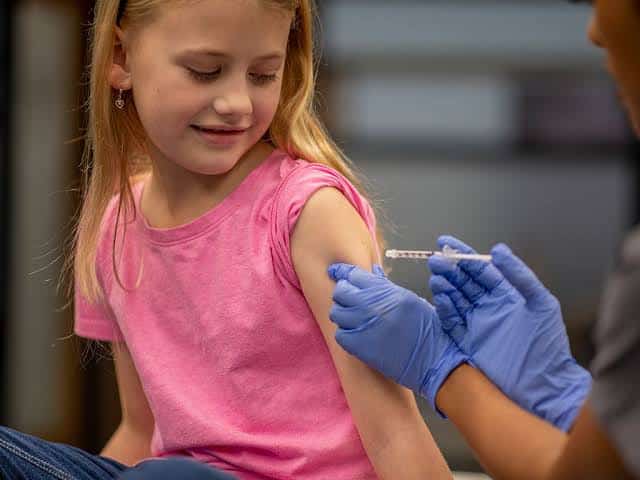
Flu vaccination is an important way to protect children from the seasonal flu, which can lead to serious illness, hospitalization, or even death. Here’s what parents should know about flu vaccines for children:

1. Age Recommendations:

  • The CDC recommends that all children 6 months and older get the flu vaccine every year.
  • Children under 6 months cannot receive the flu vaccine.

2. Types of Flu Vaccines:

  • Flu shot: This is the most common form, given as an injection in the arm. It is approved for children aged 6 months and older.
  • Nasal spray flu vaccine (FluMist): This is a nasal spray option, approved for children aged 2 years through 49 years who are healthy and do not have certain medical conditions (e.g., asthma).

3. Timing:

  • It’s best to get the flu vaccine before the flu season starts, ideally by October, but getting it later in the season still offers protection.
  • The flu season typically peaks between December and February.

4. Dosage for Children:

  • Children aged 6 months to 8 years who are getting the flu vaccine for the first time need two doses spaced at least 4 weeks apart.
  • After the initial year of vaccination, one dose per year is typically enough.

5. Safety and Side Effects:

  • The flu vaccine is generally safe and well-tolerated.
  • Common side effects include soreness at the injection site, mild fever, or fatigue. These are usually short-lived.
  • Serious side effects, such as allergic reactions, are rare.

6. Effectiveness:

  • While the flu vaccine is not 100% effective, it significantly reduces the risk of severe illness, hospitalization, and complications from the flu.
  • Effectiveness can vary from year to year, depending on the match between the circulating flu strains and the vaccine.

7. Why It’s Important:

  • Children, especially those under 5, are at higher risk for serious complications from the flu.
  • Vaccinating children helps protect vulnerable individuals, including infants, elderly family members, and those with weakened immune systems.

8. Exemptions:

  • Children with certain medical conditions (e.g., severe allergies to vaccine components) should consult their pediatrician before receiving the vaccine.
  • If your child has had a severe allergic reaction to a flu vaccine in the past, they should not get another dose.

9. Flu vs. Cold:

  • The flu is different from the common cold. It can cause more severe symptoms like high fever, body aches, and fatigue.
  • A flu vaccine does not protect against the common cold, which is caused by different viruses.

In conclusion, flu vaccination is an essential tool for keeping children healthy during the flu season and reducing the burden on healthcare systems. Parents should consult their child’s pediatrician for guidance specific to their child’s health needs.


02115759-d40c81bf-0991-45d5-8951-b5af7f8132d0-1200x800.jpg
04/Dec/2024

Migraines in children can be challenging to diagnose and manage. Here’s what parents should know:

Symptoms
1. *Headaches*: Often described as throbbing, pounding, or pulsating
2. *Location*: Usually on one side of the head, but can shift or be bilateral
3. *Duration*: Can last from 30 minutes to several hours
4. *Frequency*: Varies, but often occurs in clusters
5. *Associated symptoms*: Nausea, vomiting, sensitivity to light, sound, or smells

Triggers
1. *Stress*: Emotional or physical stress
2. *Sleep*: Irregular sleep patterns or lack of sleep
3. *Food*: Certain foods (e.g., chocolate, citrus, processed meats)
4. *Hormonal changes*: Menstruation (in girls)
5. *Environmental factors*: Bright lights, loud noises, changes in weather

Diagnosis
1. *Medical history*: Review of symptoms and family history
2. *Physical exam*: To rule out other conditions
3. *Headache diary*: Tracking symptoms and maintaining a diary

Managing Migraines at Home
1. *Create a headache-friendly environment*: Dim lighting, quiet space
2. *Encourage hydration*: Drinking plenty of water
3. *Offer comfort*: Cold or warm compresses, gentle massage
4. *Monitor symptoms*: Keeping a headache diary

When to Seek Medical Attention
1. *Sudden, severe headache*: Especially if accompanied by fever, confusion, or weakness
2. *Frequent or worsening headaches*: If symptoms change or increase in frequency
3. *Difficulty managing symptoms*: If treatment is ineffective or causing side effects

Consult a Healthcare Professional
For personalized guidance on managing migraines in children.


IMG_0011.jpeg
26/Nov/2024

Hepatitis A is a contagious liver infection caused by the hepatitis A virus (HAV). While it can affect people of all ages, children are often at risk, especially in areas where sanitation is poor or where the virus is common.

Here’s what parents should know:

1. How Hepatitis A Spreads:

  • Contaminated food or water: The virus spreads when a person eats or drinks something contaminated with fecal matter from an infected person.
  • Close contact: Direct contact with an infected person, such as through hugging or caring for a sick child, can also transmit the virus.
  • Poor sanitation: Hepatitis A is more common in areas with inadequate sanitation and hygiene practices.

2. Symptoms of Hepatitis A in Children:

Hepatitis A symptoms may range from mild to severe and can appear suddenly. They include:

  • Fever
  • Fatigue
  • Loss of appetite
  • Nausea and vomiting
  • Stomach pain or discomfort (especially on the right side)
  • Dark urine and pale-colored stools
  • Jaundice (yellowing of the skin and eyes)

However, some children, especially younger ones, may not show symptoms or may have very mild ones.

3. Prevention:

  • Vaccination: The best way to protect your child is through the hepatitis A vaccine. It’s typically given in two doses, with the first dose at age 1 (12-23 months), and the second dose 6 months later. The vaccine is highly effective at preventing the infection.
  • Good hygiene: Encourage regular handwashing with soap and water, especially after using the bathroom, changing diapers, and before eating or preparing food.
  • Safe food and water: Ensure that food and water are properly handled and free of contamination, especially when traveling in areas with poor sanitation.

4. Treatment:

There is no specific antiviral treatment for hepatitis A. Most children will recover fully with rest and supportive care. This includes:

  • Hydration: Ensuring the child stays hydrated, especially if they are vomiting or have diarrhea.
  • Pain relief: Over-the-counter medications like acetaminophen (Tylenol) can help relieve pain and fever, but avoid giving ibuprofen or aspirin to children.
  • Monitoring: Watch for signs of worsening symptoms, especially jaundice or severe abdominal pain, and seek medical attention if needed.

5. Complications:

In most cases, hepatitis A is a self-limiting infection, and children recover completely without long-term problems. However, in rare cases, the infection can lead to liver failure, especially in children with preexisting health conditions or those who are very young.

6. When to Seek Medical Help:

  • If your child develops jaundice (yellowing of the skin or eyes).
  • If symptoms seem to worsen or last for more than a few weeks.
  • If your child becomes excessively tired, lethargic, or unable to drink fluids.

IMG_0009.jpeg
20/Nov/2024

If a child is choking, it’s important to act quickly. Here’s what parents or caregivers should do:

1. Assess the Situation

  • Mild choking: The child may cough or make wheezing sounds. If they are still able to breathe and cough, encourage them to keep coughing to clear the obstruction.
  • Severe choking: The child may not be able to breathe, cry, or cough. Their face may turn red or blue. Immediate action is needed.

2. For Infants (Under 1 Year Old)

If the infant is choking and unable to cough or breathe:

  • Call for help (call emergency services if needed).
  • Perform back blows:
    1. Place the infant face-down on your forearm, supporting the head and neck.
    2. Use the heel of your hand to give up to 5 back blows between the infant’s shoulder blades.
  • Perform chest thrusts:
    1. If the back blows don’t clear the obstruction, turn the infant over to face-up.
    2. Place two fingers in the center of the chest just below the nipple line.
    3. Give 5 chest thrusts, pushing down firmly.
  • Repeat the back blows and chest thrusts until the object is expelled or emergency help arrives.

3. For Children (Over 1 Year Old)

If the child is choking and unable to breathe:

  • Call for help (call emergency services if needed).
  • Perform back blows:
    1. Have the child bend forward at the waist.
    2. Use the heel of your hand to give 5 firm back blows between the shoulder blades.
  • Perform abdominal thrusts (Heimlich maneuver):
    1. Stand behind the child and place your hands around their waist.
    2. Make a fist with one hand and place the thumb side just above the child’s navel.
    3. Grasp the fist with your other hand and give quick inward and upward thrusts.
    4. Continue the thrusts until the object is expelled or the child begins to breathe.

4. After the Object Is Expelled

  • If the child begins breathing, stay with them and monitor for any further complications.
  • If the child is still not breathing, begin CPR and continue until help arrives.

5. Do Not

  • Do not slap the child on the back or try to retrieve the object with your fingers unless you can clearly see it and can easily remove it without pushing it deeper.
  • Do not perform abdominal thrusts on infants.

It’s crucial to take immediate action, and if you’re unsure, always call emergency services for professional guidance.


IMG_0008.jpeg
14/Nov/2024

When air pollution levels are high, it’s especially important for parents to take extra precautions to protect their children, as their developing bodies are more vulnerable to the harmful effects of polluted air. Here’s what parents should know about managing care during air pollution:

1. **Health Risks of Air Pollution for Children**
– **Respiratory Problems**: Children are more likely to develop asthma, bronchitis, and other respiratory issues due to exposure to polluted air.
– **Increased Vulnerability**: Young children breathe more air (and more pollutants) relative to their size, and their lungs are still developing.
– **Long-term Effects**: Chronic exposure to polluted air can lead to long-term health problems, including impaired lung development and increased risk of cardiovascular diseases.

2. **Monitor Air Quality**
– **Check Air Quality Index (AQI)**: Stay updated on the Air Quality Index (AQI) in your area, especially during days when pollution is high. Various apps and websites provide real-time AQI data.
– **Know the Pollution Sources**: Pollution may come from traffic, industrial emissions, wildfires, or weather patterns. During high-pollution days (such as during wildfire season or smog), take extra caution.

3. **Reduce Outdoor Exposure**
– **Limit Outdoor Activities**: On days with high pollution, limit outdoor play or sports, especially for children with asthma or preexisting respiratory conditions. If outside activities are unavoidable, try to do them during times when pollution levels are lower (often early morning or late evening).
– **Indoor Alternatives**: Encourage indoor play or exercise when pollution levels are high. Activities like reading, art, or board games can keep children engaged inside.

4. **Ensure Good Indoor Air Quality**
– **Keep Windows Closed**: On high-pollution days, keep windows and doors closed to prevent outdoor pollutants from entering the home.
– **Ventilate When Safe**: If outdoor air quality improves, ventilate your home by opening windows briefly to refresh the air inside.

5. Health Precautions for Sensitive Children**

– **Asthma and Allergies**: If your child has asthma or allergies, follow your doctor’s advice on medication and treatment plans. In some cases, parents may need to adjust or increase the use of inhalers or other medications.
– **Monitor Symptoms**: Keep an eye out for signs of breathing difficulties (coughing, wheezing, shortness of breath) and take appropriate action if symptoms worsen.
– **Hydration and Nutrition**: Encourage children to stay hydrated and eat healthy foods that support immune and respiratory health, like fruits rich in antioxidants (e.g., apples, oranges).

6. **Signs of Trouble and When to Seek Medical Help**
– **Breathing Issues**: If your child shows signs of shortness of breath, persistent coughing, or unusual fatigue during or after exposure to polluted air, seek medical advice.
– **Asthma Attacks**: If your child has an asthma attack, follow the prescribed emergency treatment (e.g., inhaler use) and seek medical help if symptoms don’t improve.

7. **Educate Children About the Risks**
– **Awareness**: Teach older children about the dangers of air pollution and encourage them to avoid outdoor activities when pollution levels are high.
– **Safe Habits**: Explain the importance of avoiding strenuous exercise outside on polluted days and encourage wearing protective masks if necessary (though consult a healthcare provider before using masks for children).

By taking these precautions, parents can help minimize the harmful effects of air pollution on their children’s health, particularly during times of high pollution.


IMG_0005.jpeg
01/Nov/2024

Excess oil usage in newborns can lead to several issues:

  1. Skin Irritation: Newborn skin is delicate and can be easily irritated. Excessive oil can clog pores and lead to rashes or acne.
  2. Allergic Reactions: Some oils may cause allergic reactions, leading to redness, swelling, or discomfort.
  3. Impaired Skin Barrier: Overuse of oil can disrupt the natural moisture balance and skin barrier function, making the skin more vulnerable to infections.
  4. Heat Rash: Oils can trap heat, potentially causing heat rash or increased discomfort in warm environments.
  5. Dirt and Bacteria Build-Up: Excess oil can attract dirt and bacteria, increasing the risk of infections.

For newborns, it’s usually best to use minimal products and consult a pediatrician before applying any oils.


IMG_0370.jpeg
26/Oct/2024

  • Massage can be incredibly beneficial for newborn babies, promoting relaxation, bonding, and overall well-being. Here’s what parents should know:

*Benefits of Massage for Newborns:*

1. *Relaxation and stress relief*: Massage helps regulate the baby’s nervous system, reducing stress and promoting relaxation.

2. *Improved sleep*: Regular massage can help establish a healthy sleep routine and improve sleep quality.

3. *Bonding and attachment*: Massage enhances the emotional connection between parent and baby.

4. *Pain relief*: Massage can help alleviate discomfort from gas, colic, or teething.

5. *Increased circulation*: Massage stimulates blood flow, promoting healthy growth and development.

6. *Enhanced sensory awareness*: Massage helps babies develop awareness of their body and surroundings.

7. *Supports digestive health*: Massage can aid digestion and relieve constipation.


*Tips for Massaging Your Newborn:*

1. *Choose a quiet, warm space*: Ensure the room is free from distractions and comfortable for your baby.

2. *Use gentle, oil-based lubricants*: Opt for baby-friendly oils or lotions to reduce friction.

3. *Start with gentle strokes*: Begin with light, soft touches, gradually increasing pressure as needed.

4. *Watch for cues*: Pay attention to your baby’s body language; if they seem uncomfortable or fussy, stop.

5. *Massage in small sections*: Focus on one area at a time, such as the head, arms, or legs.

6. *Be mindful of sensitive areas*: Avoid massaging the spine, joints, or sensitive areas like the eyes or mouth.

7. *Keep sessions short*: Begin with 5-10 minute sessions, gradually increasing duration as your baby becomes accustomed.


*Best Massage Techniques for Newborns:*

1. *Head and Face Massage*:

– Gently stroke from forehead to chin.

– Massage temples and ears.

2. *Arm and Hand Massage*:

– Hold the arm and gently stroke from shoulder to wrist.

– Massage each finger individually.

3. *Leg and Foot Massage*:

– Hold the leg and stroke from thigh to ankle.

– Massage each toe individually.

4. *Back and Chest Massage*:

– Gently stroke from shoulders to lower back.

– Use gentle, circular motions on the chest.


*Precautions and Contraindications:*

1. *Premature or fragile babies*: Consult your pediatrician before starting massage.

2. *Infectious illnesses*: Avoid massage if your baby has a fever or contagious illness.

3. *Open wounds or injuries*: Avoid massaging areas with open wounds or injuries.

4. *Congenital conditions*: Consult your pediatrician if your baby has a congenital problems.

By incorporating massage into your newborn’s routine, you can foster a deeper connection, promote relaxation, and support overall well-being.


high-fever-in-children.jpg
19/Sep/2024

Managing high fever in children can be distressing for parents. Here are some valuable parental tips:

Assessment

1. Check temperature: Use a digital thermometer preferably axillary temperature.
2. Observe behavior: Monitor for signs of distress, irritability, or lethargy.

Home Management

1. Fluids: Encourage oral fluids (breast milk, formula, or any liquids).
2. Medication:
– Acetaminophen/paracetamol (crocin/ calpol/ t-98 etc): consult pediatrician for dosage.
– Avoid other medicines like meftal (mefenemic acid) or brufen  (ibuprofen) unless prescribed by your pediatrician.
3. Dressing: Dress child lightly to promote heat loss.
4. Bathing: Sponge baths with lukewarm water (not cold water).
5. Rest: Encourage quiet activities.

When to Seek Medical Attention

1. Fever >104°F (40°C) in children <3 months.
2. Fever >102°F (39°C) in children 3-6 months.
3. Fever lasting >72 hours.
4. Signs of dehydration (dry mouth, fewer wet diapers).
5. Difficulty breathing, headache, stiff neck.
6. Vomiting, diarrhea, or abdominal pain.
7. Rash, seizure, or altered mental status.

Additional Tips

1. Monitor for fever spikes.
2. Use fever-reducing medications only as directed.
3. Avoid:
– Aspirin in children <18 years.
– Cold or ice baths.
– Overdressing.
– Overmedicating.
4. Maintain vaccinations to prevent fever-causing illnesses.

Red Flags

1. Infant <3 months with fever.
2. Fever with petechiae (small, purple spots).
3. Fever with difficulty breathing.
4. Severe headache or stiff neck.
5. Altered mental status or confusion.

Consult your pediatrician for personalized advice and guidance.


Dr. Vibin KV

Dr. Vibin KV is best pediatrician in south Delhi, near safdarjung enclave. He has over 14 years experience in managing sick children from newborn to 18 years of age.
Conditions treated and services provided at the clinic include:
1) Respiratory illnesses with cough or noisy breathing- bronchiolitis, bronchitis, pneumonia, wheezing, asthma, foreign body, Inhaler therapy etc.
2) Vaccinations in all age groups.
3) New Born baby care.
4) Diarrhea, dysentery, dehydration.
5) Liver and Kidney Failure.
6) Brain infection including meningitis, encephalitis etc.
7) Urinary problems like Urinary tract infection, poor urine stream, painful urine, tight skin of the penis (phimosis) or paraphimosis, redness or pus at penis area.
8) Nephrotic syndrome and other Kidney related problems.
9) Jaundice, Hepatitis.
10) Poor growth, short stature, overweight, obesity.
11) Childhood diabetes and other endocrine problems in children.
12) Colic in infants.
13) Constipation in infants and older children.
14) Skin conditions like allergies, eczema, dermatitis, herpes, Rashes, dry skin, Dandruff, white patch over face, hair fall, dry scalp, diaper rash, nail problems etc.
15) Hernia or hydrocele- swelling in umbilical, swelling in testis, swelling in inguinal region.
16) Fever and Infections (bacterial, viral, fungal etc)
17) Seizures - Epilepsy, Febrile seizures.
18) worm infestations
19) Fall from height, head injury, Trauma, fractures (bone injury) etc.
20) PICC line and central line insertions.
21) Day care and Inpatient care facilities.
22) Adolescent care - emotional, psychological health.
23) Autism, ADHD, hyperactivity, learning disabilities, Developmental delay.
24) Short surgical procedures needing IV sedation.

Copyright by Dr. VibinKV 2023. All rights reserved.