


A barking cough in children could be a symptom of croup, which is often caused by a viral infection affecting the upper airways.
It can be very disturbing for the child and care takers.
If your child has a barking cough, especially if it’s accompanied by difficulty breathing or a high-pitched sound when inhaling, it’s important to consult your pediatrician immediately.
They can assess the severity and recommend appropriate treatment, which may include humidified air, fluids, or medications.
Avoid to self medicate as this can sometimes lead to complicated situations. In few occasions, children might have to get admitted in the hospital for more frequent medications and monitoring.
Kindly contact your child’s pediatrician for any queries if such scenario arises.

Antihistamines, especially sedating ones, have the ability to cross the blood-brain barrier and tend to cause more adverse reactions than ‘second generation’ or ‘non-sedating’ antihistamines.
The most common adverse effects with sedating antihistamines are sedation, dizziness and incoordination. However, paradoxical stimulation ranging from excitation through to tremors, hallucinations and convulsions may occur. Excessive doses in children have led to respiratory depression and very critical condition.
With winter approaching, it is important to note that coughs and colds are often self-limiting conditions and may not require pharmacological intervention. Antihistamines (especially in less than 2 year olds) may lead to dryness of secretions which can lead to extreme discomfort and respiratory difficulty. It can lead to worsening of symptoms.
Symptomatic measures, such as increasing fluids, making sure children get enough rest and reducing the spread of the virus (including regular hand washing) should be practiced.
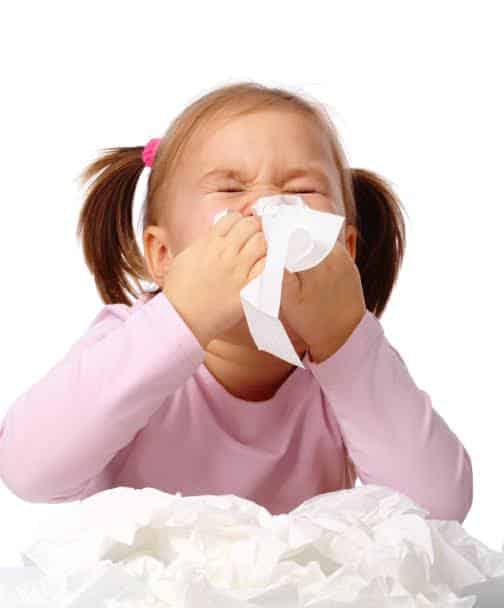
Flu infections can be troublesome in children especially infants. It can create immense discomfort in the entire family.
Flu like infections can spread easily from one person to other especially in the family.
The following measures can be taken when any child gets flu or flu like infections in family:
Encourage regular handwashing,
Teach proper cough etiquette,
Maintain a healthy diet,
Ensure adequate sleep, and
Consider getting the flu vaccine for children as part of preventive measures against flu infections.
Consult your pediatrician for proper evaluation and avoid any unnecessary medications without proper advice.

Dry cough in children can be an extremely disturbing factor for child and family members. It can last for as long as 2 to 3 weeks with no medications helping in any way leading to worried parents changing one medicine to other and changing one pediatrician to other. There are few tips that parents can take for optimum care of their loved ones in this scenario.
- Stay Hydrated: Ensure your child drinks plenty of fluids, such as water or clear broth, to keep their throat moist.
- Avoid Irritants: Keep your child away from smoke, strong odors, and other environmental irritants.
- Rest: Ensure your child gets enough rest to help their body recover.
- Honey: For children over the age of one, honey (1-2 teaspoons) can be a natural cough suppressant. It should not be given to infants under one year due to the risk of botulism.
- Elevate Head: Elevate your child’s head during sleep to reduce postnasal drip.
- Over-the-Counter Medications: Over-the-counter cough medicines are generally not recommended for children under four years. Consult your pediatrician before giving any medication.
- Treat Underlying Cause: If the cough is due to allergies, asthma, reflux, or an infection, follow the prescribed treatment plan provided by your pediatrician.
- Steam Inhalation: For older children, steam inhalation in a safe manner can help relieve congestion and soothe the throat.
- Warm Fluids: Warm beverages like herbal tea or warm milk can be soothing for a dry throat.
Always consult a pediatrician if your child’s cough persists, worsens, or is accompanied by other concerning symptoms like high fever, difficulty breathing, or persistent pain. They can provide a proper diagnosis and recommend appropriate treatment based on the specific cause of the cough.

During a viral cough, there are several precautions children should take:
- Hygiene: Teach them proper handwashing techniques to prevent the spread of germs.
- Cover Coughs and Sneezes: Encourage them to cough or sneeze into their elbow or a tissue to prevent the spread of respiratory droplets.
- Avoid Close Contact: Advise them to avoid close contact with sick individuals to minimize the risk of infection.
- Stay Home: If they’re sick, it’s important for them to stay home from school or other activities to prevent spreading the virus to others.
- Hydration and Rest: Make sure they drink plenty of fluids and get enough rest to aid in their recovery.
- Proper Disposal of Tissues: Teach them to dispose of used tissues properly and wash their hands afterward.
- Avoid Touching Face: Remind them not to touch their eyes, nose, or mouth with unwashed hands.
- Regular Cleaning: Keep their living space clean and well-ventilated, and regularly clean frequently-touched surfaces.
- Healthy Diet: Encourage them to eat a balanced diet to support their immune system.
- Consult your pediatrician: If the cough persists, worsens, or is accompanied by other concerning symptoms including fast breathing or noisy breathing
Remember, these are general precautions. It’s important to follow guidance from your pediatrician for specific situations.
Recent Posts

October 12, 2026

September 25, 2026