Medical Info For Parents

images.jpg
11/Mar/2024

Pain while passing urine in children can be caused by various factors, including urinary tract infections (UTIs), urinary tract abnormalities, irritation from soaps or bubble baths, constipation or even psychological factors like anxiety. It’s important to consult your pediatrician, if a child is experiencing pain while urinating, as it could indicate an underlying medical issue that needs attention.

Urinary tract infections (UTIs) are a common cause of pain during urination in children. Symptoms of a UTI in children may also include frequent urination, urgency, foul-smelling urine, and sometimes fever. UTIs should be promptly diagnosed and treated. Consult your pediatrician immediately.

Urinary tract abnormalities, such as structural problems in the kidneys or bladder, can also lead to pain during urination in children. These abnormalities may require further evaluation and management by a pediatric urologist or nephrologist.

In some cases, external factors like irritation from soaps, bubble baths, or tight clothing can cause discomfort during urination. Ensuring proper hygiene practices and avoiding potential irritants can help alleviate this type of discomfort.

Constipation is another common factor in children that can lead to painful urination and sometimes leading to children holding their urine. Your pediatrician will take a detail history and evaluate to rule out this condition.

Additionally, psychological factors like anxiety or stress can sometimes manifest as physical symptoms such as pain during urination. In these cases, addressing the underlying psychological factors through counseling or therapy may be beneficial.

Overall, any persistent or severe pain during urination in children should be evaluated by a pediatricianl to determine the underlying cause and appropriate treatment.



IMG_0426.jpeg
11/Nov/2023

Loose stools in Children also termed as acute gastroenteritis is a very common problem that small children and toddlers face. It is characterised by loose watery stools, sometime leading to rash in the anal region. As parents managing child with loose stools at home can be very tiresome. However, properly managing and monitoring the child is most important in smooth recovery of the child. Following points to be kept in mind with respect to loose stools occurring in your loved ones :

1. Most loose stools in Children occurs due to viral infection and antibiotics have NO ROLE in its treatment.

2. Maintaining adequate hydration is the most important thing in such situation. Complications can only rise if hydration is not maintained properly.

3. Liquids in any form – water, ors, lime juice, tender coconut water, milk, soups etc should be offered at a regular basis especially if loose watery stools occurs excessively in order to prevent dehydration.

4. ORS when prepared, refer to the instructions given on the packet and mix accordingly. Improper mixing of ORS powder can lead to more problems. Excess and unwanted ORS usage can lead to more sodium in the body which might lead to further complications.

5. Keep a watch on child’s urine output and if any reduction in urine output is noticed, reach out to your pediatrician immediately.

6. If you notice any blood or black coloured stools, consult your pediatrician immediately.

7. Poor oral intake, lethargy, excess sleepiness, dry mouth, sunken eyes are few danger signs to be looked out for and consult your doctor immediately.


IMG_0409.jpeg
05/Oct/2023

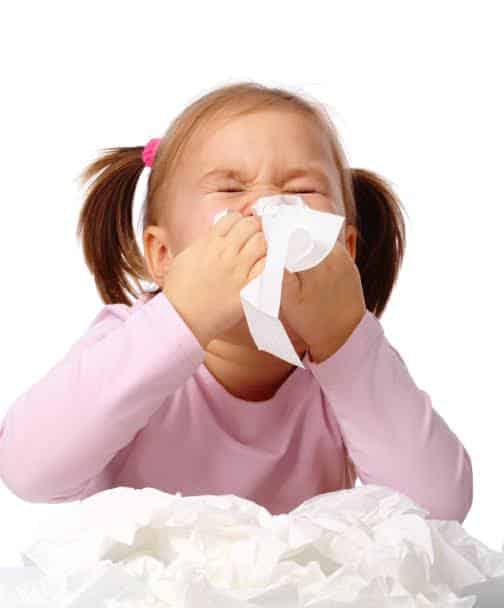
Flu infections can be troublesome in children especially infants. It can create immense discomfort in the entire family.
Flu like infections can spread easily from one person to other especially in the family.
The following measures can be taken when any child gets flu or flu like infections in family:

Encourage regular handwashing,

Teach proper cough etiquette,

Maintain a healthy diet,

Ensure adequate sleep, and

Consider getting the flu vaccine for children as part of preventive measures against flu infections.

Consult your pediatrician for proper evaluation and avoid any unnecessary medications without proper advice.


IMG_0395.jpeg
21/Jul/2023

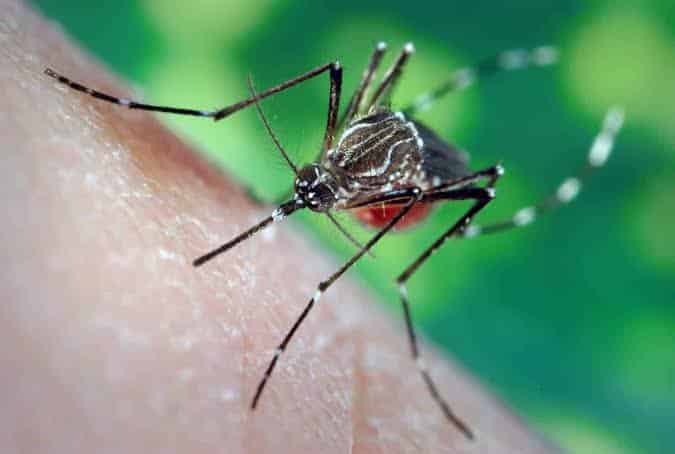
Dengue is a viral infection transmitted through the bites of infected mosquitoes, primarily the Aedes aegypti mosquito. Children, especially those under the age of 10, are at a higher risk of severe complications from dengue. To protect children from dengue, it’s important to take the following precautions:

  1. Use mosquito repellents: Choose repellents that are safe for children and contain ingredients such as DEET, picaridin, or oil of lemon eucalyptus.
  2. Dress appropriately: Dress your child in light-colored, long-sleeved shirts and long pants to minimize exposed skin during peak mosquito activity times, which are early morning and late afternoon to evening.
  3. Use mosquito nets: If your child sleeps during the daytime or in areas where mosquito exposure is likely, use mosquito nets over their beds or cribs to provide an extra layer of protection.
  4. Eliminate breeding sites: Ensure that there are no stagnant water sources around your home, as these are potential breeding grounds for mosquitoes. Regularly empty and clean containers such as flower pots, water buckets, and discarded tires where water can accumulate.
  5. Stay indoors during peak mosquito activity: When possible, keep children indoors during times when mosquitoes are most active, especially in areas with a high incidence of dengue.
  6. Screen windows and doors: Install screens on windows and doors to keep mosquitoes out while allowing air circulation.
  7. Seek medical attention: If your child shows symptoms of dengue, such as high fever, severe headache, pain behind the eyes, joint and muscle pain, rash, or bleeding, consult your pediatrician immediately. Early diagnosis and treatment can prevent complications.
  8. Stay hydrated: Encourage your child to drink plenty of fluids to prevent dehydration, especially if they have a fever.
  9. Avoid self-medication: Do not give your child aspirin or non-steroidal anti-inflammatory drugs (NSAIDs) like ibuprofen unless prescribed by your pediatrician. These medications can increase the risk of bleeding in dengue cases.
  10. Educate your child: Teach your child about the importance of preventing mosquito bites and the risks associated with dengue. Encourage them to use repellents and wear protective clothing when outdoors.

By taking these precautions, you can reduce the risk of your child contracting dengue and experiencing severe complications if they do become infected. If dengue is prevalent in your area, it’s crucial to stay informed about local health advisories and follow any additional recommendations from health authorities.


Dr. Vibin KV

Dr. Vibin KV is best pediatrician in south Delhi, near safdarjung enclave. He has over 14 years experience in managing sick children from newborn to 18 years of age.
Conditions treated and services provided at the clinic include:
1) Respiratory illnesses with cough or noisy breathing- bronchiolitis, bronchitis, pneumonia, wheezing, asthma, foreign body, Inhaler therapy etc.
2) Vaccinations in all age groups.
3) New Born baby care.
4) Diarrhea, dysentery, dehydration.
5) Liver and Kidney Failure.
6) Brain infection including meningitis, encephalitis etc.
7) Urinary problems like Urinary tract infection, poor urine stream, painful urine, tight skin of the penis (phimosis) or paraphimosis, redness or pus at penis area.
8) Nephrotic syndrome and other Kidney related problems.
9) Jaundice, Hepatitis.
10) Poor growth, short stature, overweight, obesity.
11) Childhood diabetes and other endocrine problems in children.
12) Colic in infants.
13) Constipation in infants and older children.
14) Skin conditions like allergies, eczema, dermatitis, herpes, Rashes, dry skin, Dandruff, white patch over face, hair fall, dry scalp, diaper rash, nail problems etc.
15) Hernia or hydrocele- swelling in umbilical, swelling in testis, swelling in inguinal region.
16) Fever and Infections (bacterial, viral, fungal etc)
17) Seizures - Epilepsy, Febrile seizures.
18) worm infestations
19) Fall from height, head injury, Trauma, fractures (bone injury) etc.
20) PICC line and central line insertions.
21) Day care and Inpatient care facilities.
22) Adolescent care - emotional, psychological health.
23) Autism, ADHD, hyperactivity, learning disabilities, Developmental delay.
24) Short surgical procedures needing IV sedation.

Copyright by Dr. VibinKV 2023. All rights reserved.