Medical Info For Parents

IMG_0005.jpeg
01/Nov/2024

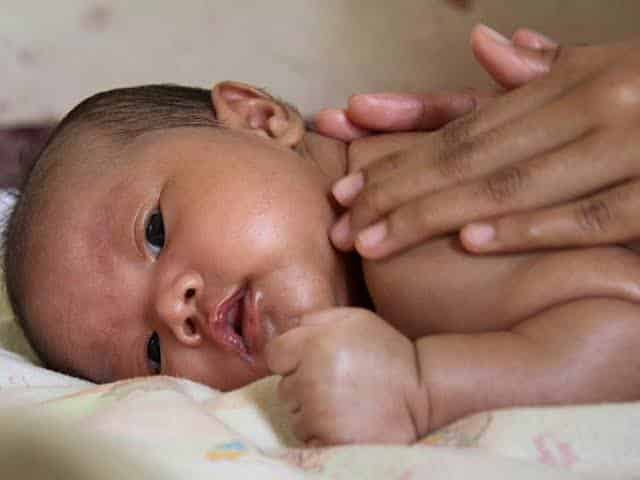
Excess oil usage in newborns can lead to several issues:

  1. Skin Irritation: Newborn skin is delicate and can be easily irritated. Excessive oil can clog pores and lead to rashes or acne.
  2. Allergic Reactions: Some oils may cause allergic reactions, leading to redness, swelling, or discomfort.
  3. Impaired Skin Barrier: Overuse of oil can disrupt the natural moisture balance and skin barrier function, making the skin more vulnerable to infections.
  4. Heat Rash: Oils can trap heat, potentially causing heat rash or increased discomfort in warm environments.
  5. Dirt and Bacteria Build-Up: Excess oil can attract dirt and bacteria, increasing the risk of infections.

For newborns, it’s usually best to use minimal products and consult a pediatrician before applying any oils.

IMG_0004.jpeg
15/Oct/2024

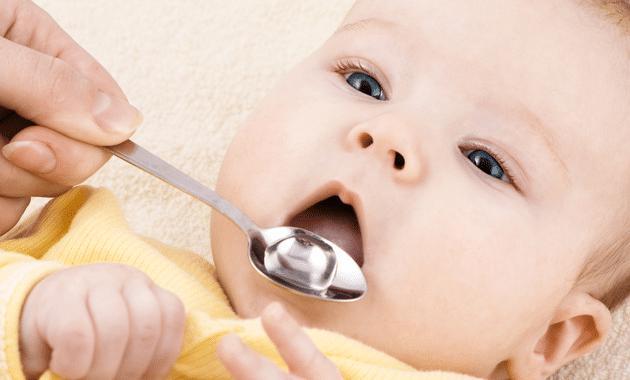
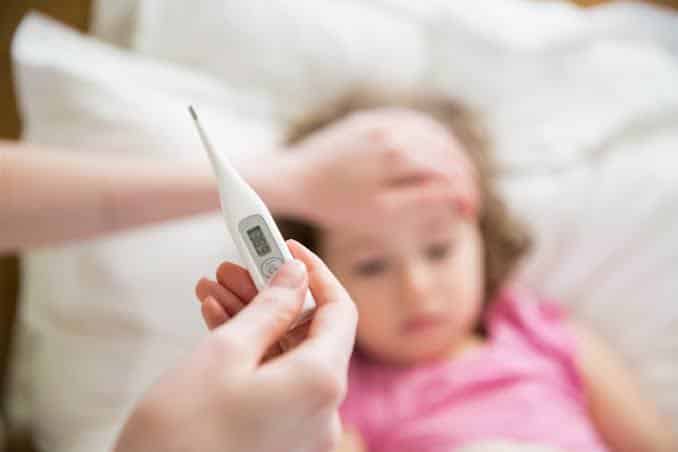
When dealing with a very high fever in a child, consider the following measures:

1. **Monitor Temperature**: Use a digital thermometer to regularly check the child’s temperature.

2. **Hydration**: Ensure the child drinks plenty of fluids, such as water, electrolyte solutions, or clear soups, to prevent dehydration.

3. **Appropriate Clothing**: Dress the child in lightweight, breathable clothing and keep the room at a comfortable temperature.

4. **Lukewarm Bath**: A lukewarm sponge bath can help lower body temperature. Avoid cold baths, as they may cause shivering.

5. **Medications**: Administer age-appropriate fever-reducing medications, such as acetaminophen or ibuprofen, if recommended by a healthcare provider.

6. **Rest**: Encourage the child to rest as much as possible to support their recovery.

7. **Consult your Doctor**: Seek medical advice if the fever is very high (typically above 104°F or 40°C), lasts more than a couple of days, or is accompanied by other concerning symptoms like difficulty breathing, persistent vomiting, or rash.

Always follow the guidance of your paediatrician for your specific situation.


high-fever-in-children.jpg
19/Sep/2024

Managing high fever in children can be distressing for parents. Here are some valuable parental tips:

Assessment

1. Check temperature: Use a digital thermometer preferably axillary temperature.
2. Observe behavior: Monitor for signs of distress, irritability, or lethargy.

Home Management

1. Fluids: Encourage oral fluids (breast milk, formula, or any liquids).
2. Medication:
– Acetaminophen/paracetamol (crocin/ calpol/ t-98 etc): consult pediatrician for dosage.
– Avoid other medicines like meftal (mefenemic acid) or brufen  (ibuprofen) unless prescribed by your pediatrician.
3. Dressing: Dress child lightly to promote heat loss.
4. Bathing: Sponge baths with lukewarm water (not cold water).
5. Rest: Encourage quiet activities.

When to Seek Medical Attention

1. Fever >104°F (40°C) in children <3 months.
2. Fever >102°F (39°C) in children 3-6 months.
3. Fever lasting >72 hours.
4. Signs of dehydration (dry mouth, fewer wet diapers).
5. Difficulty breathing, headache, stiff neck.
6. Vomiting, diarrhea, or abdominal pain.
7. Rash, seizure, or altered mental status.

Additional Tips

1. Monitor for fever spikes.
2. Use fever-reducing medications only as directed.
3. Avoid:
– Aspirin in children <18 years.
– Cold or ice baths.
– Overdressing.
– Overmedicating.
4. Maintain vaccinations to prevent fever-causing illnesses.

Red Flags

1. Infant <3 months with fever.
2. Fever with petechiae (small, purple spots).
3. Fever with difficulty breathing.
4. Severe headache or stiff neck.
5. Altered mental status or confusion.

Consult your pediatrician for personalized advice and guidance.


9d5ac0e0-7cb4-41d2-bfa0-752a0d92d584-1200x1200.webp
13/Sep/2024

Identifying infections in newborns can be challenging because their immune systems are not fully developed, and their symptoms may not always be obvious. However, there are several key signs parents can watch for to detect potential infections early. Here are some tips to help:

1. Watch for Fever

  • Fever (or low temperature): A temperature above 100.4°F (38°C) or below 97.5°F (36.4°C) could indicate an infection. In newborns, even a low fever can be a sign of serious illness and in most cases fever might not be present.

2. Monitor Feeding Habits

  • Difficulty feeding: If your baby suddenly loses interest in feeding or has difficulty breastfeeding or bottle-feeding, this may be a red flag.
  • Vomiting or frequent spit-ups: Though some spit-up is normal, persistent vomiting can be a sign of an infection, especially if it’s accompanied by other symptoms.

3. Observe Breathing Patterns

  • Labored or rapid breathing: Fast breathing (more than 60 breaths per minute), grunting sounds, or pauses in breathing may indicate respiratory distress or infection.

4. Check for Changes in Skin Color

  • Pale, bluish, or mottled skin: This can be a sign of poor oxygenation or circulation, possibly due to infection.
  • Rashes: While some newborn rashes are normal, a sudden onset of an unusual rash, especially one that doesn’t fade with pressure, could signal an infection.

5. Track Diaper Changes

  • Decreased urination: Fewer wet diapers than usual may indicate dehydration, which could be a sign of an infection.
  • Diarrhea: Watery, foul-smelling stools or a sudden increase in stool frequency might indicate a gastrointestinal infection.

6. Look for Behavioral Changes

  • Excessive fussiness or irritability: While crying is normal for newborns, constant crying, especially if it’s out of the ordinary, may signal discomfort from an infection.
  • Lethargy or decreased activity: If your baby seems unusually sleepy, weak, or difficult to wake, this could indicate an infection.

7. Check the Umbilical Cord or Circumcision Site

  • Redness, swelling, or discharge: Any sign of infection around the umbilical cord stump or circumcision site (if applicable), such as pus or a bad smell, needs medical attention.

8. Monitor Jaundice

  • Prolonged or worsening jaundice: Yellowing of the skin and eyes is common in newborns but should improve after a few days. If it worsens or persists, it could indicate an underlying infection or liver issue.

9. Unusual Crying Sounds

  • High-pitched or weak cry: A cry that sounds different from your baby’s normal cry may indicate discomfort or illness.

10. Seek Medical Attention

  • Trust your instincts: If something doesn’t seem right, it’s always best to consult your pediatrician. Newborn infections can escalate quickly, so early detection and treatment are critical.

If you observe any of these signs, particularly in combination, it’s essential to contact your pediatrician promptly.


Hand-foot-and-mouth-disease-body1-1.webp
28/Aug/2024

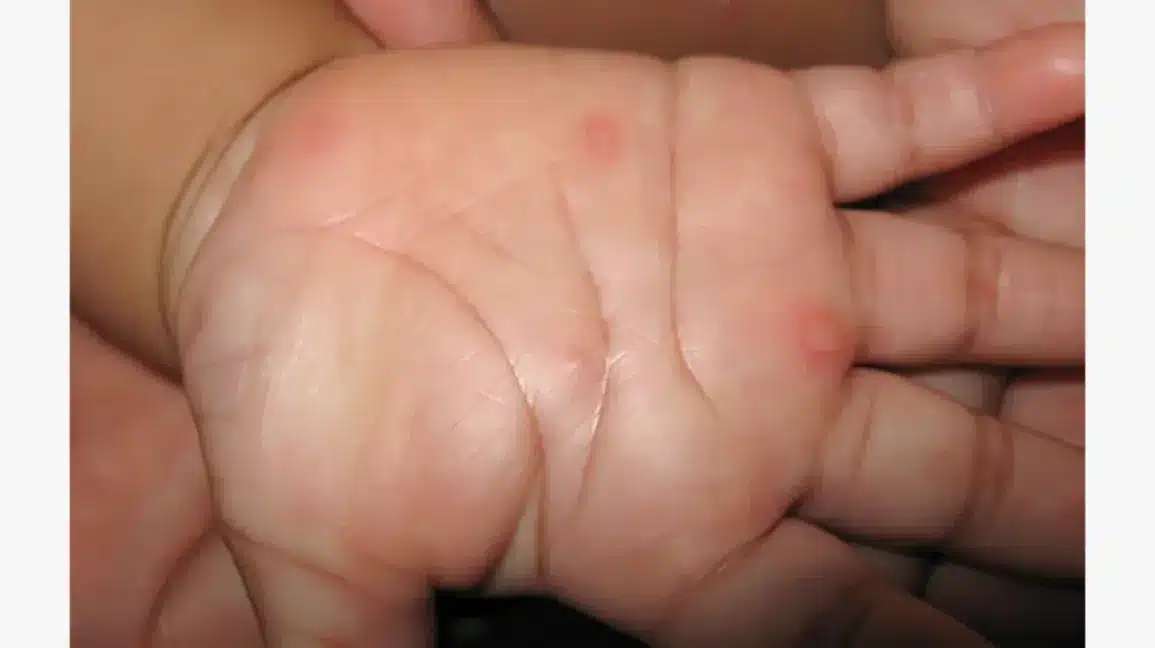
Hand, Foot, and Mouth Disease (HFMD) is a contagious viral infection common in young children. It typically causes fever, sores in the mouth, and a rash on the hands and feet. If your child has HFMD, here are some precautions parents should take:

1. Practice Good Hygiene:

  • Handwashing: Wash hands frequently with soap and water, especially after changing diapers, using the bathroom, and before preparing food.
  • Avoid Touching Face: Try to avoid touching your eyes, nose, and mouth without washing your hands first.
  • Disinfect Surfaces: Regularly clean and disinfect frequently touched surfaces, such as toys, doorknobs, and countertops.

2. Isolation:

  • Keep Your Child Home: If your child is diagnosed with HFMD, keep them home from school or daycare until they are fever-free and sores have healed, which typically takes about 7–10 days.
  • Avoid Close Contact: Avoid kissing, hugging, and sharing utensils with the infected child to reduce the spread of the virus.

3. Monitor Symptoms:

  • Fever and Pain Management: Use over-the-counter pain relievers like acetaminophen or ibuprofen to manage fever and discomfort.
  • Hydration: Ensure your child stays hydrated. Offer plenty of fluids, but avoid acidic drinks that might irritate mouth sores.

4. Seek Medical Attention:

  • Complications: If your child is unable to swallow, shows signs of dehydration (like reduced urination), or has a high fever, seek medical attention promptly.
  • Follow-Up: Keep in touch with your pediatrician if symptoms worsen or don’t improve as expected.

5. Educate Others:

  • Inform Caregivers: Let any other caregivers or family members know about the infection and the necessary precautions.
  • Community Awareness: Notify your child’s school or daycare so they can take appropriate measures to prevent further spread.

By following these precautions, you can help reduce the spread of HFMD and ensure your child’s comfort during recovery.


ORS.png
26/Jul/2024

Understanding ORS

  • Purpose: ORS helps replenish fluids and electrolytes lost due to diarrhea.
  • Composition: A balanced mixture of water, salts, and sugars.

Importance of ORS

  • Prevents Dehydration: Replaces lost fluids and vital salts (sodium, potassium).
  • Effective and Safe: Proven to reduce mortality and severity of diarrhea-related dehydration.
  • Accessible: Can be prepared at home or purchased pre-mixed.

Preparing ORS at Home

If commercial ORS is unavailable, it can be made at home:

  1. Ingredients:
    • 1 liter of clean drinking water (4.2 cups)
    • 6 level teaspoons of sugar (30 ml)
    • 0.5 level teaspoon of salt (2.5 ml)
  2. Instructions:
    • Dissolve the sugar and salt in the water thoroughly.
    • Use within 24 hours to ensure effectiveness.

Administering ORS

  • Frequent and Small Amounts: Offer small sips frequently, especially after each episode of diarrhea.
  • Use Appropriate Tools: Administer with a spoon or cup, avoiding bottles for better control.
  • Monitor Hydration: Check for signs of adequate hydration, such as normal urination, alertness, and moist mouth.

Signs of Dehydration

  • Mild to Moderate: Increased thirst, dry mouth, fewer wet diapers or trips to the bathroom.
  • Severe: Very dry mouth and skin, sunken eyes, no tears when crying, sunken soft spot on an infant’s head, lethargy or irritability, rapid heartbeat.

When to Seek Medical Help

  • Persistent Diarrhea: Lasting more than a few days.
  • Severe Dehydration: Especially if accompanied by the severe signs listed above.
  • Additional Symptoms: High fever, blood in stool, vomiting, or if the child is very young (infants).

Additional Tips for Parents

  • Continue Feeding: Offer regular meals alongside ORS to maintain nutrition.
  • Breastfeeding: Continue breastfeeding if applicable, as it provides essential nutrients and additional hydration.
  • Maintain Hygiene: Good hygiene practices are crucial to prevent infections that can cause diarrhea.

Practical Advice

  • Storage: Store ORS in a clean container and use within 24 hours.
  • Education: Learn and practice the preparation of ORS, especially when traveling to areas where commercial ORS might be unavailable.
  • Awareness: Recognize the signs of dehydration early and act promptly.

By understanding and effectively using ORS, parents can significantly improve their child’s recovery from diarrhea and prevent severe dehydration.


IMG_0457.jpeg
15/Jul/2024

Seeing blood in a child’s stool can be alarming for any parent. While it’s not always a sign of a serious problem, it’s important to understand the possible causes and when to seek medical attention.

Common Causes

  1. Anal Fissures
    • Small tears in the skin around the anus, often caused by passing large or hard stools.
    • Blood is usually bright red and on the surface of the stool or toilet paper.
  2. Constipation
    • Straining and passing hard stools can lead to small tears or hemorrhoids.
    • May accompany anal fissures.
  3. Infections
    • Bacterial infections such as salmonella, shigella, or campylobacter can cause bloody diarrhea.
    • Accompanied by other symptoms like fever, abdominal pain, and diarrhea.
  4. Food Allergies
    • Allergies to cow’s milk or soy protein, especially in infants, can cause blood in the stool.
    • Often seen with symptoms like diarrhea, vomiting, or eczema.
  5. Inflammatory Bowel Disease (IBD)
    • Conditions like Crohn’s disease or ulcerative colitis can cause chronic inflammation in the digestive tract.
    • Symptoms include diarrhea, abdominal pain, weight loss, and fatigue.
  6. Intussusception
    • A serious condition where part of the intestine slides into an adjacent part, causing a blockage.
    • Symptoms include sudden, severe abdominal pain, vomiting, and “currant jelly” stools (stools mixed with blood and mucus).

What Parents Should Do

  1. Observe and Document
    • Note the color and amount of blood, and any accompanying symptoms like pain, diarrhea, or fever.
    • Keep track of the child’s diet, bowel habits, and any recent illnesses.
  2. Seek Medical Attention
    • Contact a pediatrician if blood in the stool persists, is accompanied by other symptoms (fever, abdominal pain, diarrhea), or if the child is very young.
    • Seek immediate medical care if there are signs of severe pain, significant bleeding, or symptoms of dehydration.
  3. Maintain Hydration and Diet
    • Ensure the child stays hydrated, especially if they are experiencing diarrhea.
    • A balanced diet with plenty of fiber can help prevent constipation.
  4. Follow Medical Advice
    • The pediatrician may recommend tests such as stool samples, blood tests, or imaging studies to determine the cause.
    • Treatment will depend on the underlying cause and may include dietary changes, medications, or in some cases, surgery.

Prevention and Care

  • Encourage a high-fiber diet and adequate fluid intake to prevent constipation.
  • Ensure proper hygiene to reduce the risk of infections.
  • Monitor for any signs of food allergies and discuss them with a pediatrician.

If you have any specific concerns or notice any unusual symptoms, it’s always best to consult with your pediatrician.


IMG_0457.jpeg
13/Apr/2024

Parents can take several precautions to help prevent loose stools or manage them effectively:

  1. Good hygiene practices: Encourage frequent handwashing with soap and water, especially before meals and after using the bathroom, to prevent the spread of infections.
  2. Proper food handling: Ensure that food is prepared and stored safely to prevent contamination. Cook meats thoroughly, wash fruits and vegetables, and avoid giving children unpasteurized dairy products.
  3. Hydration: Make sure your child drinks plenty of fluids, such as water or ORS, to prevent dehydration, especially during episodes of loose stools.
  4. Healthy diet: Provide a balanced diet rich in fruits, vegetables, whole grains, and lean proteins to support overall gut health.
  5. Avoiding triggers: Identify and avoid foods or drinks that may trigger loose stools in your child, such as excessive sugary snacks or drinks, spicy foods, or certain allergens.
  6. Regular medical check-ups: Schedule regular visits with your child’s pediatrician for routine check-ups and vaccinations to prevent infections that can lead to loose stools.
  7. Prompt medical attention: Consult your pediatrician immediately, if your child experiences persistent or severe loose stools, signs of dehydration, or other concerning symptoms such as fever or abdominal pain.

By following these precautions, parents can help reduce the risk of loose stools in children and manage them effectively when they occur.


IMG_0456.jpeg
27/Mar/2024

Preventing mumps transmission in children involves:

  1. Vaccination: Ensure children receive the MMR (measles, mumps, and rubella) vaccine, typically administered after 9 months, 15 months and at 4-6 years.
  2. Avoiding Close Contact: Encourage children to avoid close contact with individuals who have mumps, especially in settings like schools or daycare centers.
  3. Good Hygiene Practices: Teach children to practice good hygiene, including frequent handwashing with soap and water, covering their mouth and nose when coughing or sneezing, and avoiding sharing utensils or drinks with others.
  4. Stay Home When Sick: Instruct children to stay home from school or daycare if they develop symptoms of mumps or any contagious illness.
  5. Prompt Treatment: Seek medical attention promptly if your child develops symptoms of mumps, such as swollen salivary glands, fever, headache, and muscle aches.
  6. Avoid use of unnecessary medications during the illness. Follow your Pediatricians advice properly.

By following these measures, the risk of mumps transmission among children can be reduced significantly.


Dr. Vibin KV

Dr. Vibin KV is best pediatrician in south Delhi, near safdarjung enclave. He has over 14 years experience in managing sick children from newborn to 18 years of age.
Conditions treated and services provided at the clinic include:
1) Respiratory illnesses with cough or noisy breathing- bronchiolitis, bronchitis, pneumonia, wheezing, asthma, foreign body, Inhaler therapy etc.
2) Vaccinations in all age groups.
3) New Born baby care.
4) Diarrhea, dysentery, dehydration.
5) Liver and Kidney Failure.
6) Brain infection including meningitis, encephalitis etc.
7) Urinary problems like Urinary tract infection, poor urine stream, painful urine, tight skin of the penis (phimosis) or paraphimosis, redness or pus at penis area.
8) Nephrotic syndrome and other Kidney related problems.
9) Jaundice, Hepatitis.
10) Poor growth, short stature, overweight, obesity.
11) Childhood diabetes and other endocrine problems in children.
12) Colic in infants.
13) Constipation in infants and older children.
14) Skin conditions like allergies, eczema, dermatitis, herpes, Rashes, dry skin, Dandruff, white patch over face, hair fall, dry scalp, diaper rash, nail problems etc.
15) Hernia or hydrocele- swelling in umbilical, swelling in testis, swelling in inguinal region.
16) Fever and Infections (bacterial, viral, fungal etc)
17) Seizures - Epilepsy, Febrile seizures.
18) worm infestations
19) Fall from height, head injury, Trauma, fractures (bone injury) etc.
20) PICC line and central line insertions.
21) Day care and Inpatient care facilities.
22) Adolescent care - emotional, psychological health.
23) Autism, ADHD, hyperactivity, learning disabilities, Developmental delay.
24) Short surgical procedures needing IV sedation.

Copyright by Dr. VibinKV 2023. All rights reserved.