Medical Info For Parents

IMG_0394.jpeg
12/Sep/2025

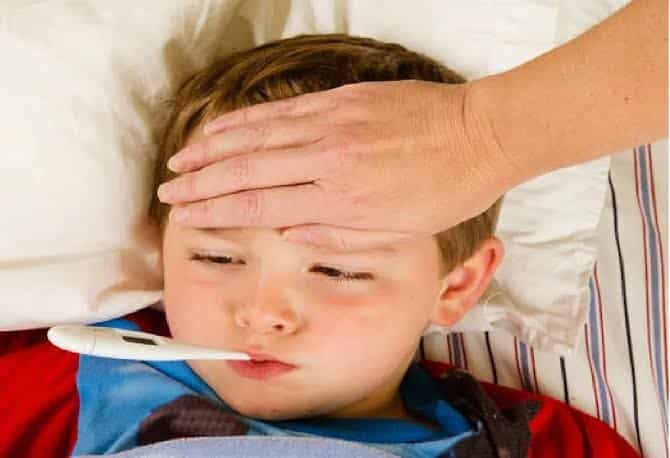
Parents should avoid several common mistakes when caring for a child with high fever, as these can worsen symptoms or pose risks to health.

Key Actions to Avoid

Do Not Overdress or Overcover

  • Heavy clothing and thick blankets trap heat and can make fever worse; always use light clothing and a thin sheet.

Never Use Rubbing Alcohol, Ice Water, or Cold Baths

  • Rubbing alcohol can result in poisoning through skin absorption; ice water or cold baths can trigger chills and raise body temperature instead of lowering it.

Do Not Give Aspirin

  • Aspirin can cause Reye syndrome, a rare but potentially fatal condition in children with viral illnesses; stick to acetaminophen or ibuprofen but never aspirin.

Avoid Forcing Food or Excessive Fluids

  • Do not force-feed children who have lost appetite; offer food and fluids, but let them eat what they can comfortably tolerate.

Do Not Use Spicy Foods, Tea, or Very Cold Drinks

  • Spices and tea can raise body temperature and irritate the digestive tract, while very cold drinks can worsen discomfort.

Do Not Combine Multiple Fever-Reducers or Flexible-Dosing

  • Overmedicating or using different fever reducers simultaneously can cause harmful side effects and overdose risk.

Other Common Mistakes

  • Do not focus only on fever; always watch for other symptoms (like rash, repetitive vomiting, or lethargy) and seek medical care as needed.

  • Do not use inaccurate thermometers or fail to check temperature precisely; always confirm fever with an accurate device.

  • Never put objects in a child’s mouth during a seizure caused by fever; this can lead to choking or injury—focus on proper seizure first aid.

When to Seek Medical Attention

  • Never delay seeking a doctor’s help if a child is younger than 3 months with any fever, or if a fever persists, is very high, or is accompanied by concerning symptoms like dehydration or convulsions.

These precautions help ensure safe and supportive care during childhood fevers, preventing avoidable complications and promoting recovery.


9d5ac0e0-7cb4-41d2-bfa0-752a0d92d584-1200x1200.webp
13/Sep/2024

Identifying infections in newborns can be challenging because their immune systems are not fully developed, and their symptoms may not always be obvious. However, there are several key signs parents can watch for to detect potential infections early. Here are some tips to help:

1. Watch for Fever

  • Fever (or low temperature): A temperature above 100.4°F (38°C) or below 97.5°F (36.4°C) could indicate an infection. In newborns, even a low fever can be a sign of serious illness and in most cases fever might not be present.

2. Monitor Feeding Habits

  • Difficulty feeding: If your baby suddenly loses interest in feeding or has difficulty breastfeeding or bottle-feeding, this may be a red flag.
  • Vomiting or frequent spit-ups: Though some spit-up is normal, persistent vomiting can be a sign of an infection, especially if it’s accompanied by other symptoms.

3. Observe Breathing Patterns

  • Labored or rapid breathing: Fast breathing (more than 60 breaths per minute), grunting sounds, or pauses in breathing may indicate respiratory distress or infection.

4. Check for Changes in Skin Color

  • Pale, bluish, or mottled skin: This can be a sign of poor oxygenation or circulation, possibly due to infection.
  • Rashes: While some newborn rashes are normal, a sudden onset of an unusual rash, especially one that doesn’t fade with pressure, could signal an infection.

5. Track Diaper Changes

  • Decreased urination: Fewer wet diapers than usual may indicate dehydration, which could be a sign of an infection.
  • Diarrhea: Watery, foul-smelling stools or a sudden increase in stool frequency might indicate a gastrointestinal infection.

6. Look for Behavioral Changes

  • Excessive fussiness or irritability: While crying is normal for newborns, constant crying, especially if it’s out of the ordinary, may signal discomfort from an infection.
  • Lethargy or decreased activity: If your baby seems unusually sleepy, weak, or difficult to wake, this could indicate an infection.

7. Check the Umbilical Cord or Circumcision Site

  • Redness, swelling, or discharge: Any sign of infection around the umbilical cord stump or circumcision site (if applicable), such as pus or a bad smell, needs medical attention.

8. Monitor Jaundice

  • Prolonged or worsening jaundice: Yellowing of the skin and eyes is common in newborns but should improve after a few days. If it worsens or persists, it could indicate an underlying infection or liver issue.

9. Unusual Crying Sounds

  • High-pitched or weak cry: A cry that sounds different from your baby’s normal cry may indicate discomfort or illness.

10. Seek Medical Attention

  • Trust your instincts: If something doesn’t seem right, it’s always best to consult your pediatrician. Newborn infections can escalate quickly, so early detection and treatment are critical.

If you observe any of these signs, particularly in combination, it’s essential to contact your pediatrician promptly.


Dr. Vibin KV

Dr. Vibin KV is best pediatrician in south Delhi, near safdarjung enclave. He has over 14 years experience in managing sick children from newborn to 18 years of age.
Conditions treated and services provided at the clinic include:
1) Respiratory illnesses with cough or noisy breathing- bronchiolitis, bronchitis, pneumonia, wheezing, asthma, foreign body, Inhaler therapy etc.
2) Vaccinations in all age groups.
3) New Born baby care.
4) Diarrhea, dysentery, dehydration.
5) Liver and Kidney Failure.
6) Brain infection including meningitis, encephalitis etc.
7) Urinary problems like Urinary tract infection, poor urine stream, painful urine, tight skin of the penis (phimosis) or paraphimosis, redness or pus at penis area.
8) Nephrotic syndrome and other Kidney related problems.
9) Jaundice, Hepatitis.
10) Poor growth, short stature, overweight, obesity.
11) Childhood diabetes and other endocrine problems in children.
12) Colic in infants.
13) Constipation in infants and older children.
14) Skin conditions like allergies, eczema, dermatitis, herpes, Rashes, dry skin, Dandruff, white patch over face, hair fall, dry scalp, diaper rash, nail problems etc.
15) Hernia or hydrocele- swelling in umbilical, swelling in testis, swelling in inguinal region.
16) Fever and Infections (bacterial, viral, fungal etc)
17) Seizures - Epilepsy, Febrile seizures.
18) worm infestations
19) Fall from height, head injury, Trauma, fractures (bone injury) etc.
20) PICC line and central line insertions.
21) Day care and Inpatient care facilities.
22) Adolescent care - emotional, psychological health.
23) Autism, ADHD, hyperactivity, learning disabilities, Developmental delay.
24) Short surgical procedures needing IV sedation.

Copyright by Dr. VibinKV 2023. All rights reserved.