


A barking cough in children could be a symptom of croup, which is often caused by a viral infection affecting the upper airways.
It can be very disturbing for the child and care takers.
If your child has a barking cough, especially if it’s accompanied by difficulty breathing or a high-pitched sound when inhaling, it’s important to consult your pediatrician immediately.
They can assess the severity and recommend appropriate treatment, which may include humidified air, fluids, or medications.
Avoid to self medicate as this can sometimes lead to complicated situations. In few occasions, children might have to get admitted in the hospital for more frequent medications and monitoring.
Kindly contact your child’s pediatrician for any queries if such scenario arises.
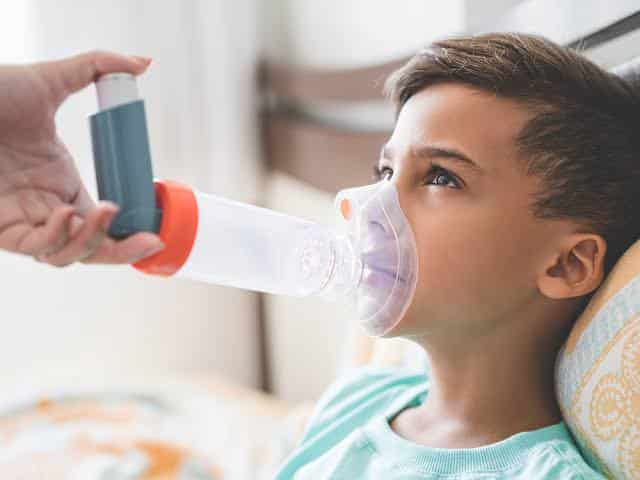
Inhaler therapy can be an effective treatment option for children with allergic cough. Allergic cough, also known as cough-variant asthma, is a condition where coughing is the primary symptom triggered by an allergic reaction. Inhalers deliver medication directly to the airways, providing quick relief and long-term control of respiratory symptoms.
There are two main types of inhalers commonly used in the treatment of allergic cough in children:
- Short-acting bronchodilators (rescue inhalers): These inhalers contain medications such as salbutamol (asthalin) which work by relaxing the muscles in the airways, opening them up and providing immediate relief during an asthma attack or episode of coughing. They are used on an as-needed basis when symptoms occur. Usually used for 5 to 7 days ( as per advice of your pediatrician) and stopped with cough subsides or reduces.
- Long-acting controllers (maintenance inhalers): These inhalers contain medications like inhaled corticosteroids (ICS) or combination inhalers (ICS plus long-acting bronchodilators). They are used regularly to reduce airway inflammation and prevent future episodes of coughing or asthma attacks. They help manage symptoms over the long term and are not used for immediate relief.
It is important to note that the use of inhaler therapy in children should be done under the guidance and supervision of a healthcare professional, such as a pediatrician or an allergist. They can assess the child’s condition, prescribe the appropriate inhaler, determine the correct dosage, and provide instructions on how to use the inhaler correctly.
Proper inhaler technique is crucial to ensure the medication reaches the lungs effectively. Parents or caregivers should be trained on how to use the inhaler correctly and teach their child to use it properly. It may involve coordinating the inhaler with a spacer device, especially for younger children, to ensure optimal drug delivery.
Your pediatrician might advice you to use a mask or without mask, which ever is best possible method for your child.
Regular follow-up visits with the pediatrician are important to assess the child’s response to inhaler therapy, adjust medication dosages if necessary, and monitor overall respiratory health.
In addition to inhaler therapy, it is also essential to identify and avoid triggers that can worsen allergic cough in children. Common triggers include environmental allergens such as pollen, dust mites, pet dander, and certain irritants like smoke or strong odors. Taking steps to reduce exposure to these triggers can help minimize coughing episodes and improve overall respiratory health.
Overall, inhaler therapy can be an effective treatment option for children with allergic cough when used correctly and under medical supervision. It helps provide immediate relief during coughing episodes and long-term control to prevent future symptoms.
Recent Posts

March 27, 2026

March 13, 2026