Medical Info For Parents

IMG_0068.jpeg
25/Aug/2025

Refractive error in toddlers is a common, correctable condition that can impact visual development, learning, and quality of life if left untreated. Parents should be aware of typical symptoms and the importance of early diagnosis.

Key Points for Parents

  • Refractive error means the eye cannot focus light precisely on the retina, resulting in blurry vision at various distances.

  • The three main types in children are myopia (nearsightedness), hyperopia (farsightedness), and astigmatism.

  • Early detection is crucial; untreated refractive error can cause developmental delays, poor academic performance, and amblyopia (lazy eye).

Recognizing Symptoms

  • Toddlers may not articulate vision problems directly; watch for signs such as:

    • Squinting or frowning

    • Frequent eye rubbing or blinking

    • Lack of interest in school, books, or coloring

    • Moving closer to objects to see them clearly

    • Trouble reading or following visual tasks.

Causes and Risk Factors

  • Refractive error can result from abnormal eye shape, family history, or associated genetic syndromes.

  • Environmental factors like reduced outdoor activity and increased screen time may also contribute.

Diagnosis and Screening

  • Regular pediatric eye exams starting at age 3-4 are recommended, with vision testing for each eye.

  • School screenings help but only an eye doctor can diagnose accurately.

Management and Treatment

  • Eyeglasses are the most common and effective solution for children, providing clear vision and reducing symptoms like headaches and eye strain.

  • Severe or specific cases may be managed with contact lenses, vision therapy, or myopia control treatments (special lenses, atropine drops).

  • Early and correct intervention supports normal development, academic success, and social confidence.

Parental Guidance

  • Observe and report any vision-related behaviors to healthcare providers.

  • Ensure follow-up visits if eyeglasses are prescribed—children’s prescriptions can change with growth.

  • Encourage outdoor activities and limit excessive device use as part of preventive strategies.

Parents play a vital role in spotting visual problems early and supporting children with proper correction and follow-up care.


IMG_0059.jpeg
16/Jun/2025

BCG Scar in Newborn: What Parents Need to Know

The BCG (Bacillus Calmette-Guérin) vaccine is given to protect against tuberculosis (TB) and is part of the routine immunization schedule in many countries. It is usually administered at birth or shortly after.

Here’s what parents should know about the BCG scar:


What to Expect After BCG Vaccination

  1. Local Reaction Timeline:

    • First few days: Small red bump may appear.

    • 2–4 weeks later: Bump turns into a blister or ulcer.

    • 6–12 weeks: It may ooze slightly and form a scab.

    • By 3–6 months: Heals to form a small, round scar.

  2. Scar Size:

    • The final scar is usually 5–10 mm in diameter.

    • Not all babies develop a prominent scar — but the vaccine may still be effective.


❗ When to Worry

  • Excessive swelling or pus: A little discharge is normal, but large amounts of pus or a persistent wound (>6 weeks) should be evaluated.

  • Enlarged lymph nodes (especially under the arm) that are tender or growing.

  • Fever or signs of infection unrelated to normal healing.

  • No reaction at all after 3 months: Not usually a concern, but mention it during follow-up visits.


💡 Parent Tips

  • Don’t apply creams or ointments on the BCG site.

  • Avoid bandaging unless instructed by a doctor.

  • Let the area stay dry and clean.

  • Do not try to pop or drain the blister.


✅ Why the Scar is Good

  • A visible BCG scar often indicates the body has responded to the vaccine.

  • The presence or absence of a scar doesn’t guarantee immunity, but is usually a normal part of the process.


IMG_0052.jpeg
20/May/2025

Poor appetite in toddlers is a common concern for many parents. It’s important to approach it calmly and with a good understanding of what’s typical and when to seek help. Here’s what parents must know:


What’s Normal?

  1. Appetite Fluctuates
    Between ages 1–5, toddlers experience slow growth compared to infancy, so their appetite naturally decreases.

  2. Picky Eating Is Common
    Toddlers often refuse new foods or want the same food repeatedly (food jags). It’s a normal developmental phase.

  3. Small Stomachs
    Toddlers need smaller, more frequent meals. Large portions may overwhelm them.


🧠 Key Reasons for Poor Appetite

  • Growth Slows Down
    Appetite often decreases after age 1 because the rapid infant growth slows.

  • Illness or Teething
    Fever, cold, teething pain, or digestive issues can temporarily reduce appetite.

  • Too Many Snacks or Milk
    Snacking or drinking too much milk/juice can fill them up and blunt hunger.

  • Stress or Fatigue
    Big life changes, anxiety, or being overtired can affect eating habits.

  • Iron Deficiency or Constipation
    Medical issues like anemia or blocked bowels may suppress hunger.


🧩 What Parents Can Do

  1. Stick to a Routine
    Offer meals and snacks at regular times—toddlers thrive on structure.

  2. Limit Grazing
    Avoid constant snacking. Space meals/snacks by 2–3 hours.

  3. Don’t Force Feed
    This often backfires and creates negative associations with food.

  4. Make Mealtimes Pleasant
    Avoid distractions (TV, devices) and eat together as a family.

  5. Offer Variety, But Small Portions
    Let your child choose from a small selection of healthy options.

  6. Be a Role Model
    Show enjoyment when eating fruits, vegetables, and new foods.


🛑 When to See a Doctor

Consult a pediatrician if your toddler:

  • Is losing weight or not gaining as expected

  • Is lethargic or unusually irritable

  • Shows signs of nutrient deficiency (pale skin, fatigue, delayed development)

  • Has persistent vomiting, diarrhea, or constipation

  • Avoids entire food groups (especially protein or fruits/veggies)


IMG_0046.jpeg
03/May/2025

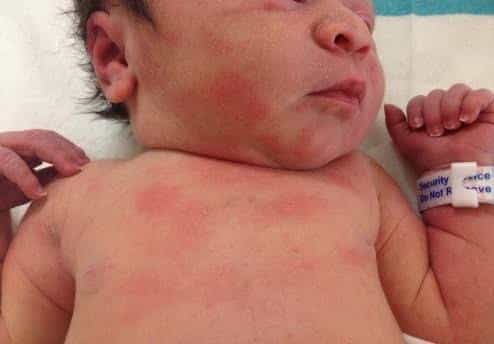
If a newborn develops a rash all over their body, it can be alarming, but not all rashes are dangerous. Here’s what parents should know and watch for:


Common (Usually Harmless) Newborn Rashes:

  1. Erythema toxicum neonatorum:

    • Red spots with small white/yellow bumps.

    • Common in healthy newborns (first week of life).

    • No treatment needed; clears on its own.

  2. Milia:

    • Tiny white bumps on the nose, cheeks, or chin.

    • Caused by blocked skin pores; resolve without treatment.

  3. Newborn acne:

    • Pimples on face, usually around 2–6 weeks of age.

    • Caused by maternal hormones; typically resolves in a few weeks/months.

  4. Heat rash (prickly heat):

    • Small red bumps in skin folds or where the baby gets hot.

    • Keep baby cool and dry; usually resolves quickly.


Warning Signs — When to Call a Doctor:

  • Fever (≥100.4°F or 38°C) in a baby under 3 months.

  • Rash looks like bruises or purple spots (could be serious, like meningitis).

  • Rash with blisters, peeling skin, or open sores.

  • Baby is very sleepy, irritable, or feeding poorly.

  • Rash is rapidly spreading or the skin looks infected (red, swollen, warm).


What Parents Should Do:

  • Don’t apply creams or powders unless recommended by a doctor.

  • Keep baby’s skin clean and dry; dress in soft, breathable clothing.

  • Take pictures to document changes if you need to consult a doctor.


IMG_0040.jpeg
01/Apr/2025

Dealing with a fussy-eating toddler can be frustrating, but it’s a common phase. Here are some practical strategies to help:

1. Stay Calm and Patient

  • Avoid pressuring or bribing them to eat.

  • Make mealtimes relaxed and stress-free.

2. Offer Variety Without Forcing

  • Introduce different textures, colors, and flavors.

  • Keep offering new foods alongside familiar ones—exposure takes time.

3. Make Food Fun

  • Use cookie cutters for fun shapes.

  • Create colorful plates with different food groups.

4. Let Them Help

  • Involve your toddler in meal prep (e.g., washing veggies, stirring).

  • Giving them choices (e.g., “Would you like carrots or peas?”) makes them feel in control.

5. Stick to a Routine

  • Serve meals and snacks at regular times to prevent grazing.

  • Offer small portions to avoid overwhelming them.

6. Limit Distractions

  • Turn off screens during meals.

  • Eat together as a family to model good eating habits.

7. Avoid Short-Order Cooking

  • Serve the same meal to the whole family with slight modifications if needed.

  • If they refuse, don’t rush to offer an alternative—hunger will eventually encourage them to eat.

8. Be a Role Model

  • Eat a balanced diet yourself—toddlers mimic what they see.

9. Don’t Use Food as a Reward

  • This can create unhealthy associations with food. Instead, praise them for trying new foods.

10. Check Growth & Health

  • If your child is growing well and energetic, don’t stress too much about fussy eating.

  • If concerned, consult a pediatrician or dietitian for guidance.


IMG_0037.jpeg
10/Mar/2025

An inguinal hernia in an infant occurs when a part of the intestine or abdominal tissue pushes through a weak spot in the inguinal canal, a passage in the lower abdominal wall. It typically appears as a bulge in the groin or scrotum and is more common in premature boys.

Symptoms:

  • A soft lump in the groin or scrotum, more noticeable when the baby cries, coughs, or strains.
  • The lump may disappear when the baby is lying down.
  • If the hernia becomes incarcerated (trapped), symptoms can include pain, swelling, redness, vomiting, and difficulty feeding. This is an emergency.

Causes & Risk Factors:

  • Incomplete closure of the inguinal canal during fetal development.
  • More common in boys, premature babies, and those with a family history of hernias.

Treatment:

  • Surgery is the standard treatment to prevent complications like incarceration or strangulation (cutting off blood supply).
  • If the hernia is reducible (able to be pushed back), surgery may be scheduled electively.
  • If incarcerated, emergency surgery is needed.

When to See a Doctor:

  • If you notice a lump in your baby’s groin.
  • If the lump becomes firm, red, swollen, or painful, or if the baby is vomiting and irritable—this could indicate an emergency.

IMG_0035.jpeg
25/Feb/2025

Teeth grinding, or bruxism, is common in children, especially during sleep. Here’s what parents should know:

Causes of Teeth Grinding in Children

  1. Teething & Misaligned Teeth – Young children may grind due to discomfort from new or misaligned teeth.
  2. Stress & Anxiety – Emotional stress, changes in routine, or anxiety can trigger bruxism.
  3. Sleep Disorders – Conditions like sleep apnea may contribute to teeth grinding.
  4. Hyperactivity & Medical Conditions – ADHD and some neurological conditions may increase the risk.
  5. Response to Pain – Ear infections or other discomforts may lead to grinding as a coping mechanism.

Signs & Symptoms

  • Grinding noises during sleep
  • Worn-down or sensitive teeth
  • Jaw pain or headaches
  • Disrupted sleep patterns
  • Complaints of sore jaw upon waking

Possible Complications

  • Tooth damage or enamel erosion
  • Increased tooth sensitivity
  • Jaw disorders (e.g., TMJ issues)
  • Poor sleep quality

What Parents Can Do

  • Monitor Stress Levels – Help manage anxiety with relaxation techniques.
  • Maintain a Bedtime Routine – Establish a calm pre-sleep routine to improve sleep quality.
  • Ensure Proper Dental Care – Regular dental visits can help detect and manage bruxism early.
  • Check for Underlying Conditions – If sleep disorders or other health issues are suspected, consult a doctor.
  • Use Mouthguards (If Necessary) – For severe cases, dentists may recommend a nightguard to protect teeth.

Most children outgrow teeth grinding, but if it persists or causes problems, consult your paediatrician.


IMG_0034.jpeg
18/Feb/2025

Earwax (cerumen) in children is normal and usually helps protect the ear by trapping dirt, dust, and bacteria. In most cases, it moves out of the ear on its own. However, sometimes it can build up and cause issues like hearing difficulties, ear pain, or a blocked sensation.

What to Do:

  • Avoid cotton swabs: They can push wax deeper into the ear.
  • Use a warm washcloth: Gently clean around the outer ear.
  • Over-the-counter drops: Earwax softening drops (like hydrogen peroxide or baby oil) can help.
  • See a doctor if needed: If there’s pain, hearing loss, or a suspected blockage, a pediatrician  or a ENT surgeon can safely remove the wax.

IMG_0033.jpeg
10/Feb/2025

Infant reflux, also known as gastroesophageal reflux (GER), is common in babies and usually not a cause for concern. Here’s what parents should know:

1. What Is Infant Reflux?

Reflux occurs when stomach contents flow back into the esophagus, causing spitting up. This happens because the muscle that keeps food in the stomach (the lower esophageal sphincter) is still developing in infants.

2. Signs of Reflux in Babies

  • Frequent spitting up or vomiting
  • Coughing or hiccups after feeding
  • Irritability or crying, especially after eating
  • Arching the back or stiffening during feeding
  • Difficulty sleeping or discomfort when lying down
  • Poor weight gain (in more severe cases)

3. When Is Reflux a Problem?

Most babies outgrow reflux by 12 to 18 months. However, Gastroesophageal Reflux Disease (GERD) is a more serious condition that requires medical attention. Signs of GERD include:

  • Poor weight gain or weight loss
  • Frequent forceful vomiting
  • Blood in vomit or stool
  • Chronic cough, wheezing, or difficulty breathing
  • Extreme fussiness or refusal to eat

4. Tips to Manage Mild Reflux

  • Feed smaller amounts more frequently – Large feedings can overwhelm a baby’s stomach.
  • Burp often – Burp your baby every few minutes during and after feeding.
  • Keep baby upright – Hold your baby upright for 20–30 minutes after feeding.
  • Use a proper feeding position – Ensure the baby is not lying flat while feeding.
  • Try thickened feeds – If advised by a doctor, thickening formula or breast milk with a small amount of rice cereal may help.
  • Check for formula or food allergies – Some babies react to cow’s milk protein or other allergens.

5. When to See a Doctor

Consult a pediatrician if your baby has:

  • Frequent projectile vomiting
  • Trouble gaining weight
  • Signs of discomfort during feeding
  • Breathing difficulties
  • Persistent cough or wheezing

6. Treatment Options

For severe cases, doctors may recommend medication to reduce stomach acid or, in rare cases, further medical interventions.

7. The Good News

Most babies outgrow reflux as their digestive system matures, usually by their first birthday. Managing feedings and positioning can significantly help reduce symptoms.


IMG_0032.jpeg
06/Feb/2025

Nasal congestion (nose block) is common in infants because their nasal passages are small and can easily become clogged with mucus. Here’s what parents should know:

Causes of Nose Block in Infants

  1. Common Cold – Viral infections can cause mucus buildup.
  2. Dry Air – Especially during winter or in air-conditioned rooms.
  3. Allergies – Though less common in newborns, dust, pet dander, or smoke can irritate their nose.
  4. Reflux – Sometimes, stomach acid can irritate the nasal passages.
  5. Teething – Some babies have nasal congestion when teething due to increased saliva production.

Signs of Nasal Congestion

  • Noisy breathing or snoring
  • Difficulty feeding due to blocked nose
  • Restlessness or trouble sleeping
  • Sneezing or mild coughing

How to Relieve Nose Block

  1. Saline Drops & Suction
    • Use saline nasal drops to loosen mucus.
    • A bulb syringe or nasal aspirator can help remove mucus gently.
  2. Steam & Humidifiers
    • A warm steam bath or a cool-mist humidifier in the baby’s room can ease congestion.
  3. Elevate the Head
    • Slightly elevating the baby’s head during sleep (not with a pillow but by tilting the crib mattress slightly) can help with drainage.
  4. Hydration
    • Breastfeeding or bottle-feeding keeps the baby hydrated, which helps thin the mucus.
  5. Avoid Irritants
    • Keep the baby away from smoke, strong perfumes, or dust.

When to See pediatrician

  • If congestion lasts more than 10 days.
  • Baby has difficulty breathing, wheezing, or high fever.
  • Signs of dehydration (fewer wet diapers, dry mouth).
  • If baby refuses to feed due to congestion.

Most nasal congestion in infants is mild and resolves on its own. However, if you’re worried, it’s always best to check with your child’s pediatrician.


Dr. Vibin KV

Dr. Vibin KV is best pediatrician in south Delhi, near safdarjung enclave. He has over 14 years experience in managing sick children from newborn to 18 years of age.
Conditions treated and services provided at the clinic include:
1) Respiratory illnesses with cough or noisy breathing- bronchiolitis, bronchitis, pneumonia, wheezing, asthma, foreign body, Inhaler therapy etc.
2) Vaccinations in all age groups.
3) New Born baby care.
4) Diarrhea, dysentery, dehydration.
5) Liver and Kidney Failure.
6) Brain infection including meningitis, encephalitis etc.
7) Urinary problems like Urinary tract infection, poor urine stream, painful urine, tight skin of the penis (phimosis) or paraphimosis, redness or pus at penis area.
8) Nephrotic syndrome and other Kidney related problems.
9) Jaundice, Hepatitis.
10) Poor growth, short stature, overweight, obesity.
11) Childhood diabetes and other endocrine problems in children.
12) Colic in infants.
13) Constipation in infants and older children.
14) Skin conditions like allergies, eczema, dermatitis, herpes, Rashes, dry skin, Dandruff, white patch over face, hair fall, dry scalp, diaper rash, nail problems etc.
15) Hernia or hydrocele- swelling in umbilical, swelling in testis, swelling in inguinal region.
16) Fever and Infections (bacterial, viral, fungal etc)
17) Seizures - Epilepsy, Febrile seizures.
18) worm infestations
19) Fall from height, head injury, Trauma, fractures (bone injury) etc.
20) PICC line and central line insertions.
21) Day care and Inpatient care facilities.
22) Adolescent care - emotional, psychological health.
23) Autism, ADHD, hyperactivity, learning disabilities, Developmental delay.
24) Short surgical procedures needing IV sedation.

Copyright by Dr. VibinKV 2023. All rights reserved.