

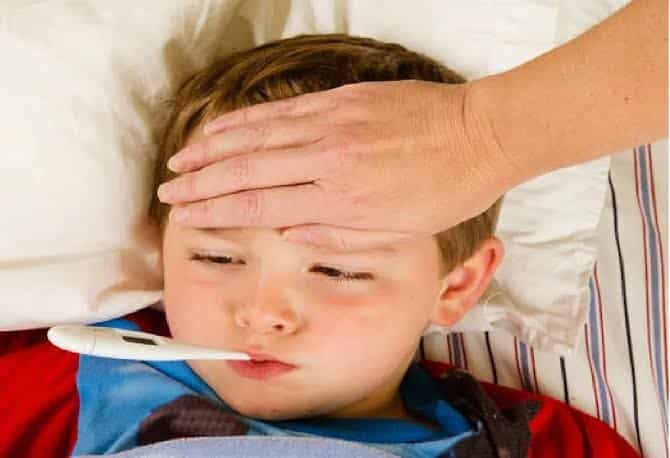
Parents should avoid several common mistakes when caring for a child with high fever, as these can worsen symptoms or pose risks to health.
Key Actions to Avoid
Do Not Overdress or Overcover
-
Heavy clothing and thick blankets trap heat and can make fever worse; always use light clothing and a thin sheet.
Never Use Rubbing Alcohol, Ice Water, or Cold Baths
-
Rubbing alcohol can result in poisoning through skin absorption; ice water or cold baths can trigger chills and raise body temperature instead of lowering it.
Do Not Give Aspirin
-
Aspirin can cause Reye syndrome, a rare but potentially fatal condition in children with viral illnesses; stick to acetaminophen or ibuprofen but never aspirin.
Avoid Forcing Food or Excessive Fluids
-
Do not force-feed children who have lost appetite; offer food and fluids, but let them eat what they can comfortably tolerate.
Do Not Use Spicy Foods, Tea, or Very Cold Drinks
-
Spices and tea can raise body temperature and irritate the digestive tract, while very cold drinks can worsen discomfort.
Do Not Combine Multiple Fever-Reducers or Flexible-Dosing
-
Overmedicating or using different fever reducers simultaneously can cause harmful side effects and overdose risk.
Other Common Mistakes
-
Do not focus only on fever; always watch for other symptoms (like rash, repetitive vomiting, or lethargy) and seek medical care as needed.
-
Do not use inaccurate thermometers or fail to check temperature precisely; always confirm fever with an accurate device.
-
Never put objects in a child’s mouth during a seizure caused by fever; this can lead to choking or injury—focus on proper seizure first aid.
When to Seek Medical Attention
-
Never delay seeking a doctor’s help if a child is younger than 3 months with any fever, or if a fever persists, is very high, or is accompanied by concerning symptoms like dehydration or convulsions.
These precautions help ensure safe and supportive care during childhood fevers, preventing avoidable complications and promoting recovery.

Vomiting in infants is quite common and often not serious. However, parents should worry and seek medical attentionif the vomiting shows certain warning signs or is accompanied by other symptoms.
🚼 When Vomiting is Usually Not Serious
-
Happens occasionally after feeding (likely spit-up or reflux)
-
Baby is otherwise active, feeding well, and gaining weight
-
Vomit is small in amount, milky, and not forceful
⚠️ When Parents Should Worry
Seek medical care immediately if any of the following are present:
1. Vomiting is Forceful (Projectile)
-
Especially in babies younger than 3 months
-
Could indicate pyloric stenosis, a condition requiring surgery
2. Green or Yellow (Bilious) Vomit
-
May indicate intestinal blockage or twisting (volvulus)
-
Needs urgent medical evaluation
3. Blood or Coffee Ground Appearance in Vomit
-
Suggests possible bleeding in the stomach or esophagus
4. Signs of Dehydration
-
Dry mouth or lips
-
No tears when crying
-
Sunken eyes or soft spot (fontanelle)
-
Fewer than 6 wet diapers/day
5. Vomiting with High Fever or Lethargy
-
Could signal infection like meningitis or a serious illness
6. Persistent Vomiting (>24 hours)
-
Especially if baby is unable to keep fluids or feeds down
7. Seizures, Bulging Fontanelle, or Abnormal Movements
-
Could indicate brain or neurological issues
8. Poor Feeding and Weight Loss
-
May be a sign of chronic underlying issues
9. Recent Head Injury
-
Vomiting could be a sign of concussion or brain injury
✅ What Parents Can Do at Home (If Mild and Baby is Well)
-
Offer smaller, more frequent feeds
-
Burp the baby during and after feeding
-
Keep baby upright for 20–30 minutes after feeds
-
Avoid overfeeding
📞 Call a Pediatrician If You’re Unsure
Always better to get a professional opinion, especially in infants under 3 months.

Ear piercing in children is a personal decision for parents, but there are several important factors to consider before going ahead. Here’s what you need to know:
1. Best Age for Ear Piercing
- The American Academy of Pediatrics (AAP) states that ear piercing is safe at any age if done properly. However, they recommend waiting until the child is old enough to care for the piercings themselves (usually around 6–8 years old) to reduce the risk of infection.
- Some parents choose to pierce their baby’s ears early (as young as a few months old) because infants tend to heal faster and are less likely to touch or pull on their earrings.
2. Choosing a Safe Piercing Method
- Needle vs. Piercing Gun: Professional piercers often recommend a needle over a gun because it’s more sterile, precise, and causes less trauma to the ear. Piercing guns can create more tissue damage and are harder to sterilize.
- Go to a Licensed Professional: Ensure the piercing is done by a trained professional in a clean and reputable setting. Many pediatricians also offer ear piercing.
3. Choosing the Right Earrings
- Use hypoallergenic metals such as surgical steel, titanium, or 14K+ gold to reduce the risk of allergic reactions.
- Avoid earrings with nickel, as it can cause irritation.
- Opt for small, flat-back earrings to prevent snagging.
4. Caring for Newly Pierced Ears
- Clean twice a day with saline solution or antiseptic recommended by the piercer. Avoid using alcohol or hydrogen peroxide, as they can dry out and irritate the skin.
- Do not remove earrings for at least 6–8 weeks (for lobe piercings) to prevent the holes from closing.
- Rotate the earrings gently while cleaning to prevent them from sticking to the skin.
- Watch for signs of infection (redness, swelling, pus, or pain) and consult a doctor if necessary.
5. Risks & Potential Complications
- Infections can occur if proper hygiene is not maintained.
- Keloids or scars can develop, especially in children with darker skin tones who are more prone to them.
- Allergic reactions can occur if non-hypoallergenic metals are used.
- Earring loss or choking hazard—for babies and toddlers, ensure earrings are secure to avoid accidental swallowing.
6. When to Seek Medical Attention
- If the ear becomes excessively swollen, painful, or has discharge.
- If the child develops a fever.
- If the earring becomes embedded in the ear.
Final Thoughts
Ear piercing can be a safe and enjoyable experience for children with proper care. Parents should weigh the pros and cons, ensure a sterile procedure, and follow aftercare instructions carefully to prevent complications.

Recent Posts

March 27, 2026

March 13, 2026