


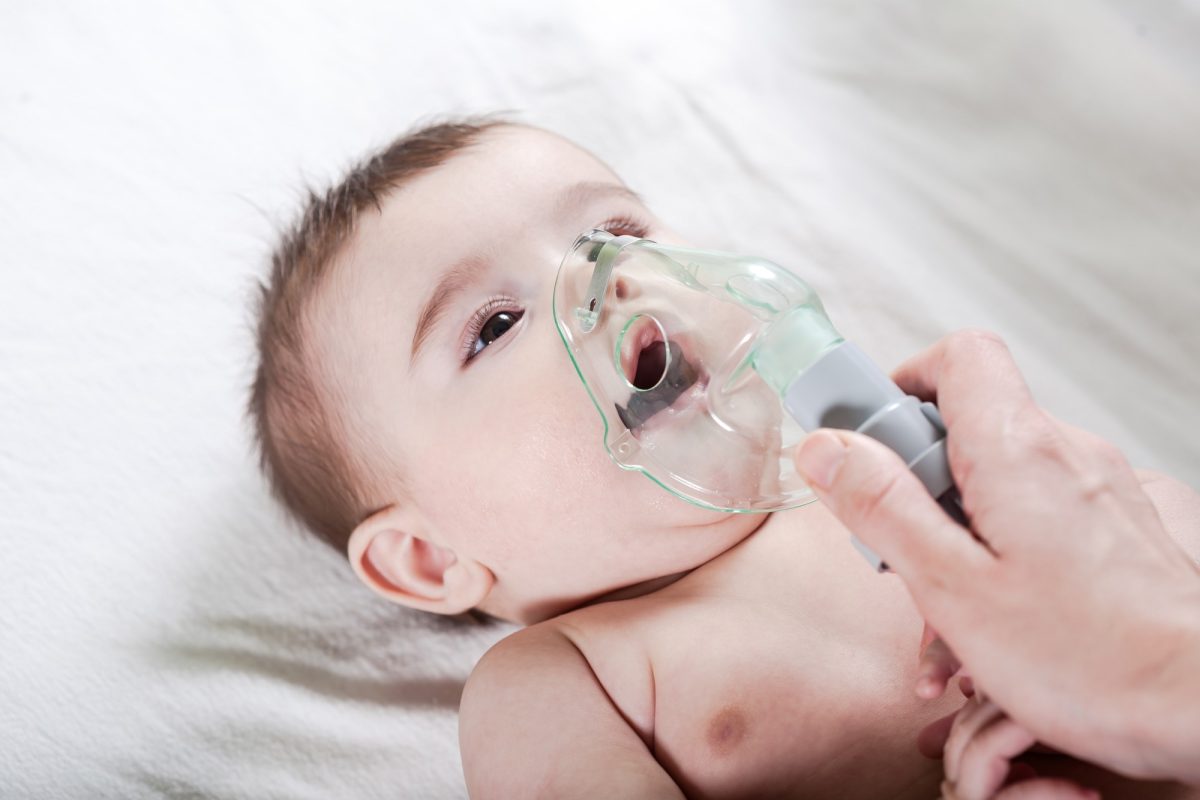

Influenza (flu) infection in infants can lead to serious illness, so it is essential for parents to understand the risks, recognize symptoms early, and know prevention and treatment measures.
Why Infants Are at Risk
-
Infants have a developing immune system, making them more vulnerable to severe illness from the flu compared to older children and adults.
-
Babies under 6 months cannot receive the flu vaccine themselves, but those 6 months and older should get vaccinated annually.
-
Adults and older children in close contact with infants should also be vaccinated to help protect the baby (cocooning).
How Influenza Spreads
-
The virus spreads through droplets in the air when an infected person coughs, sneezes, or talks.
-
Contact with contaminated surfaces, toys, or hands is another route; infants often touch their faces or put objects in their mouths.
Signs and Symptoms
-
Fever (may be high or unexplained in newborns)
-
Cough, runny nose, or sore throat
-
Unusual tiredness, irritability, or refusing to feed
-
Body aches, chills, or headache
-
Vomiting and diarrhea (more common in young children)
-
Severe signs: difficulty breathing, dehydration (few wet diapers), persistent high fever, or lethargy
When to Seek Medical Attention
-
Immediate medical attention is needed for breathing problems, bluish lips, poor feeding, dehydration, persistent vomiting, or seizures.
-
Consult a healthcare provider if symptoms worsen, don’t improve after a few days, or if the child appears very unwell.
Prevention Tips
-
Annual flu vaccination for children 6 months and older is crucial.
-
Vaccinate household members and caregivers if the infant is under 6 months.
-
Practice good hand hygiene, respiratory etiquette (cover coughs and sneezes), and disinfect surfaces regularly.
-
Avoid contact with people who are sick.
-
Keep infants away from crowded places during peak flu season.
Treatment and Home Care
-
Antiviral medications (e.g., oseltamivir) may be prescribed for infants at high risk or with confirmed influenza, especially if started within 48 hours of symptom onset.
-
Manage fever with doctor-approved medications. Do not give aspirin to infants due to the risk of Reye’s syndrome.
-
Keep the infant hydrated, allow rest, and monitor for worsening symptoms.
Other Key Points for Parents
-
Breastfeeding is encouraged; if the mother has flu symptoms, milk can be expressed and fed by a healthy caregiver.
-
The flu shot does not cause the flu. Some infants may have mild side effects like low-grade fever after vaccination.
-
Infants should stay home and away from daycare or gatherings until fever-free for at least 24 hours without fever-reducing medications.
Parents play a vital role in protecting infants from influenza by maintaining vaccination schedules, enforcing hygiene, and seeking prompt care when needed.

Parents should avoid several common mistakes when caring for a child with high fever, as these can worsen symptoms or pose risks to health.
Key Actions to Avoid
Do Not Overdress or Overcover
-
Heavy clothing and thick blankets trap heat and can make fever worse; always use light clothing and a thin sheet.
Never Use Rubbing Alcohol, Ice Water, or Cold Baths
-
Rubbing alcohol can result in poisoning through skin absorption; ice water or cold baths can trigger chills and raise body temperature instead of lowering it.
Do Not Give Aspirin
-
Aspirin can cause Reye syndrome, a rare but potentially fatal condition in children with viral illnesses; stick to acetaminophen or ibuprofen but never aspirin.
Avoid Forcing Food or Excessive Fluids
-
Do not force-feed children who have lost appetite; offer food and fluids, but let them eat what they can comfortably tolerate.
Do Not Use Spicy Foods, Tea, or Very Cold Drinks
-
Spices and tea can raise body temperature and irritate the digestive tract, while very cold drinks can worsen discomfort.
Do Not Combine Multiple Fever-Reducers or Flexible-Dosing
-
Overmedicating or using different fever reducers simultaneously can cause harmful side effects and overdose risk.
Other Common Mistakes
-
Do not focus only on fever; always watch for other symptoms (like rash, repetitive vomiting, or lethargy) and seek medical care as needed.
-
Do not use inaccurate thermometers or fail to check temperature precisely; always confirm fever with an accurate device.
-
Never put objects in a child’s mouth during a seizure caused by fever; this can lead to choking or injury—focus on proper seizure first aid.
When to Seek Medical Attention
-
Never delay seeking a doctor’s help if a child is younger than 3 months with any fever, or if a fever persists, is very high, or is accompanied by concerning symptoms like dehydration or convulsions.
These precautions help ensure safe and supportive care during childhood fevers, preventing avoidable complications and promoting recovery.

Massage for newborns can offer significant benefits, but it must be done with care, following expert guidelines to ensure safety and maximize positive outcomes for both infant and parent.
Key Benefits of Newborn Massage
-
Promotes bonding: Physical touch during massage enhances emotional attachment, eye contact, and communication between parent and baby.
-
Aids sleep and relaxation: Regular massage can help a baby feel calmer, lower stress hormones, and support restful sleep.
-
Supports development: Massage may promote social, emotional, and cognitive growth, help with motor coordination, and strengthen physiological systems like digestion and immunity.
-
Reduces discomfort: Gentle abdominal massage can relieve colic, gas, or constipation, though tummy massage should only be done after the umbilical cord stump has healed.
Safety Tips and Guidelines
-
Timing and environment: Choose a quiet, warm space and massage the baby when they are calm and alert—typically about 30 minutes after feeding.
-
Use safe oils: Select gentle, baby-safe oils, avoiding anything with fragrance or harsh chemicals.
-
Technique:
-
Use gentle, firm (not rough) strokes, supporting joints like the wrist or ankle while massaging limbs.
-
Massage the tummy only in a clockwise motion (and only after the umbilical cord area is fully healed).
-
Avoid the spine directly—massage alongside it.
-
If the baby becomes upset, uncomfortable, or falls asleep, stop the massage.
-
-
Precautions:
-
Never apply strong pressure; always use the palm of the hand and soft finger pads.
-
Don’t massage if the baby is unwell, feverish, or immediately after feeding.
-
Never leave a baby unattended after applying oil—babies can slip and fall.
-
Watch for allergic reactions; stop if any redness or irritation appears.
-
After an oil massage, bathe the baby in lukewarm water and ensure the oil is washed off.
-
Simple Steps and Techniques
-
Prepare a warm room with a soft towel.
-
Use gentle strokes from the thigh to ankle and arm to wrist, always supporting the baby’s joints.
-
Use gentle circles for the tummy (if appropriate), and a soft touch for the cheeks, forehead, and back of the baby’s neck and shoulders.
-
Maintain eye contact and talk or sing to the baby throughout, to enhance bonding and relaxation.
-
Be patient and keep sessions brief at first, increasing time as the baby gets used to massage.
When to Avoid Massage
-
If the baby is sick, has a fever, or is recovering from illness.
-
Immediately after or close to a feed (wait at least 30 minutes).
-
On or near wounds, rashes, or unhealed umbilical cord area.
Summary Table: Do’s and Don’ts
| Do’s | Don’ts |
|---|---|
| Use gentle, firm strokes | Apply strong pressure |
| Massage when baby is calm | Massage when baby is sick or post-feed |
| Use baby-safe oil | Use harsh or scented oils |
| Support joints during massage | Leave baby unattended or oily |
| Wash hands before start | Massage unhealed umbilical area |
Giving a newborn a gentle massage provides nurturing physical contact and developmental support, but always follow professional guidelines for safety and comfort.

Refractive error in toddlers is a common, correctable condition that can impact visual development, learning, and quality of life if left untreated. Parents should be aware of typical symptoms and the importance of early diagnosis.
Key Points for Parents
-
Refractive error means the eye cannot focus light precisely on the retina, resulting in blurry vision at various distances.
-
The three main types in children are myopia (nearsightedness), hyperopia (farsightedness), and astigmatism.
-
Early detection is crucial; untreated refractive error can cause developmental delays, poor academic performance, and amblyopia (lazy eye).
Recognizing Symptoms
-
Toddlers may not articulate vision problems directly; watch for signs such as:
-
Squinting or frowning
-
Frequent eye rubbing or blinking
-
Lack of interest in school, books, or coloring
-
Moving closer to objects to see them clearly
-
Trouble reading or following visual tasks.
-
Causes and Risk Factors
-
Refractive error can result from abnormal eye shape, family history, or associated genetic syndromes.
-
Environmental factors like reduced outdoor activity and increased screen time may also contribute.
Diagnosis and Screening
-
Regular pediatric eye exams starting at age 3-4 are recommended, with vision testing for each eye.
-
School screenings help but only an eye doctor can diagnose accurately.
Management and Treatment
-
Eyeglasses are the most common and effective solution for children, providing clear vision and reducing symptoms like headaches and eye strain.
-
Severe or specific cases may be managed with contact lenses, vision therapy, or myopia control treatments (special lenses, atropine drops).
-
Early and correct intervention supports normal development, academic success, and social confidence.
Parental Guidance
-
Observe and report any vision-related behaviors to healthcare providers.
-
Ensure follow-up visits if eyeglasses are prescribed—children’s prescriptions can change with growth.
-
Encourage outdoor activities and limit excessive device use as part of preventive strategies.
Parents play a vital role in spotting visual problems early and supporting children with proper correction and follow-up care.

Screen Time in Children – What Parents Need to
Know
Why Screen Time Matters
• Affects brain development, especially in under-5s
• May disturb sleep and daily routine
• Can cause eye strain and vision issues
• Reduces outdoor play → risk of obesity
• Can affect mood, focus, and social skills
Recommended Screen Time by Age
Age Recommendation
< 18 months Avoid screens (except video calls)
18–24 months If introduced, only high-quality content, with parent
2–5 years Up to 1 hour/day, supervised
6+ years No strict limit – focus on balance (sleep, play, school)
Healthy Screen Habits
• Watch together and discuss content
• Choose educational, age-appropriate programs
• Keep tech-free zones (meals, bedrooms, before bed)
• Encourage outdoor play, reading, and hobbies
• Use parental controls when needed
• Model healthy screen use yourself
Warning Signs of Too Much Screen Time
• Child gets angry when screen is removed
• Prefers screens over play and social interaction
• School performance declines
• Poor sleep or constant tiredness
• Frequent headaches, eye strain, or poor posture
■ Key Takeaway
Screens are not harmful if used wisely and in moderation. Balance is the key – quality content +
parental involvement + healthy routine make screen time safe and educational

Excess ORS (Oral Rehydration Solution) Intake in Children – What Parents Need to Be Cautious About
Oral Rehydration Solution (ORS) is lifesaving in cases of dehydration due to diarrhea or vomiting. However, excessive intake without proper need or guidance can lead to complications. Here’s what parents should know:
⚠️ Why Too Much ORS Can Be Harmful
-
Electrolyte Imbalance
-
ORS contains salts like sodium and potassium. Too much can cause hypernatremia (high sodium levels), especially in infants and small children.
-
-
Overhydration (Water Overload)
-
Giving large volumes of ORS unnecessarily may lead to fluid overload, which can burden the kidneys and, in rare cases, cause swelling (edema) or low sodium (hyponatremia) if diluted improperly.
-
-
Masking Ongoing Illness
-
Relying solely on ORS without addressing underlying causes (e.g., infections) can delay proper medical treatment.
-
✅ When and How to Use ORS Safely
-
Only Use When Needed:
Primarily during diarrhea, vomiting, or signs of dehydration (dry mouth, sunken eyes, decreased urine, lethargy). -
Follow Age-Appropriate Dosages:
-
Infants (<1 year): ~50–100 ml after each loose stool
-
Children (1–5 years): ~100–200 ml after each loose stool
-
Older children: As much as they want, but spaced out gradually.
-
-
Do Not Force ORS:
Let the child sip slowly. Forcing large amounts can cause vomiting. -
Do Not Use as a Routine Drink:
ORS is not a substitute for water, juice, or milk in a healthy child. -
Avoid Diluting Commercial ORS:
Mixing it incorrectly (too much water or too little) changes its effectiveness and safety.
🚨 When to Seek Medical Help
-
If your child refuses to drink
-
Vomits everything, including ORS
-
Shows worsening signs of dehydration
-
Has blood in stools, high fever, or drowsiness
-
If you’re unsure about how much ORS to give
💡 Summary for Parents:
-
Use ORS wisely—only when there’s fluid loss
-
Stick to the recommended amount based on age
-
Do not overuse or make it a routine drink
-
Monitor for signs of overhydration or worsening condition
If in doubt, always consult your pediatrician.

Exclusive Breastfeeding in Newborns – What Parents Should Know
Exclusive breastfeeding (EBF) means giving your baby only breast milk for the first six months — no water, other liquids, or food. This is the ideal way to nourish a newborn, and the World Health Organization (WHO) and UNICEF strongly recommend it.
✅ Key Benefits of Exclusive Breastfeeding
1. Best Nutrition for Baby
-
Breast milk has the perfect balance of nutrients — proteins, fats, vitamins, and minerals.
-
It adapts to the baby’s growing needs.
2. Immunity Boost
-
Rich in antibodies, especially secretory IgA, that help fight infections.
-
Reduces risk of:
-
Respiratory infections
-
Diarrhea
-
Ear infections
-
Meningitis
-
Allergies and asthma
-
3. Supports Healthy Growth & Development
-
Promotes better brain development due to essential fatty acids (like DHA).
-
Supports healthy weight gain and gut development.
4. Emotional Bonding
-
Skin-to-skin contact during breastfeeding enhances bonding and emotional security.
-
Helps regulate baby’s heartbeat, breathing, and temperature.
5. Lower Risk of Chronic Diseases Later
-
Reduces risk of obesity, type 1 and type 2 diabetes, and certain cancers in later life.
6. Protects Mothers Too
-
Lowers mother’s risk of:
-
Breast and ovarian cancers
-
Postpartum depression
-
Type 2 diabetes
-
-
Helps uterus contract after delivery and reduces postpartum bleeding.
-
Acts as a natural contraceptive (lactational amenorrhea method) under specific conditions.
❗ What Parents Must Avoid
-
No water, juice, or formula unless medically indicated.
-
Avoid giving honey or gripe water — can be dangerous.
-
Do not delay feeding — respond to baby’s early hunger cues (rooting, sucking hands).
🍼 Common Myths Debunked
-
“I don’t have enough milk” – Colostrum (the first milk) is enough in the first few days; frequent feeding helps increase supply.
-
“Baby cries, so milk isn’t enough” – Crying is not always due to hunger.
-
“Formula is just as good” – Formula lacks live immune factors found in breast milk.
📌 Final Tips for Parents
-
Initiate breastfeeding within 1 hour of birth.
-
Feed on demand, not on a strict schedule.
-
Ensure proper latch and position to avoid pain and ensure effective feeding.
-
Seek help from a lactation consultant if you face challenges.
Breastfeeding is a gift only you can give your baby. It lays the foundation for a healthy start to life — physically, emotionally, and mentally.
Recent Posts

October 15, 2026
October 12, 2026