


Constipation in children is common and usually not serious, but parents should be aware of some key points:
- Symptoms: Look out for infrequent bowel movements, hard stools, abdominal pain, and difficulty passing stool.
- Causes: It can be caused by diet low in fiber, dehydration, changes in routine, withholding stool due to fear or discomfort, or certain medical conditions.
- Treatment: Encourage a high-fiber diet, increased water intake, regular exercise, and establishing a regular toilet routine. Sometimes, laxatives or stool softeners may be needed, but consult your pediatrician first.
- Prevention: Ensure your child has a balanced diet with plenty of fiber-rich foods, adequate hydration, and regular physical activity.
- When to seek medical help: If constipation persists despite home remedies, if there’s blood in the stool, or if your child is experiencing severe abdominal pain or weight loss, consult your pediatrician immediately for further evaluation and management.
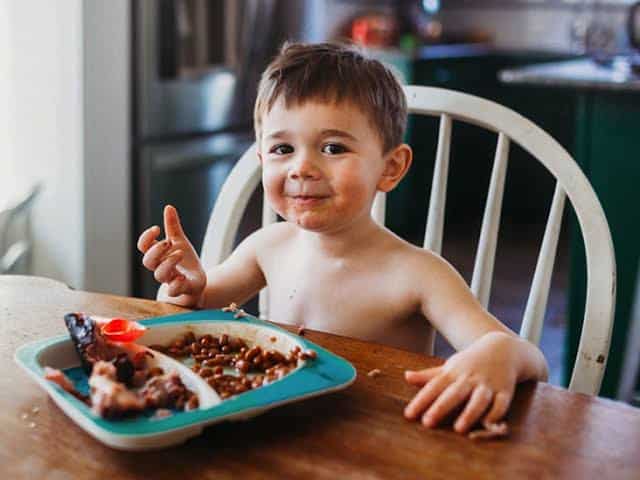
Iron is an essential mineral for toddlers as it supports their growth and development. Here are some iron-rich foods that you can include in your toddler’s diet:
- Lean meats: Lamb, pork, sea food and poultry (such as chicken) are excellent sources of iron. Ensure that the meat is cooked well and cut into small, manageable pieces for your toddler.
- Beans and legumes: Kidney beans, chickpeas, lentils, and black beans are great sources of iron. You can offer them in various forms like soups, stews, or mashed and seasoned as a side dish.
- Iron-fortified cereals: Look for iron-fortified breakfast cereals specifically made for toddlers. These cereals are usually enriched with iron and other essential nutrients.
- Dried fruits: Raisins, apricots, and prunes are iron-rich dried fruits that can be given to toddlers. Ensure that they are cut into small, bite-sized pieces to prevent choking hazards.
- Leafy green vegetables: Spinach, kale, and broccoli are rich in iron. Steam or sauté them until they are tender and serve them as a side dish or incorporate them into soups, stews, or pasta dishes.
- Eggs: Egg yolks are a good source of iron. Scrambled eggs, boiled eggs, or omelets can be a nutritious addition to your toddler’s diet.
- Fortified bread and grains: Look for bread and grains that are enriched with iron. Whole grain bread, fortified pasta, and fortified rice are some options to consider.
Remember that iron absorption is enhanced when paired with vitamin C-rich foods. So, you can serve iron-rich foods with fruits like oranges, strawberries, or tomatoes, which are high in vitamin C.
If you have concerns about your toddler’s iron intake, it’s always a good idea to consult with your pediatrician who can provide personalized advice based on your child’s specific needs.
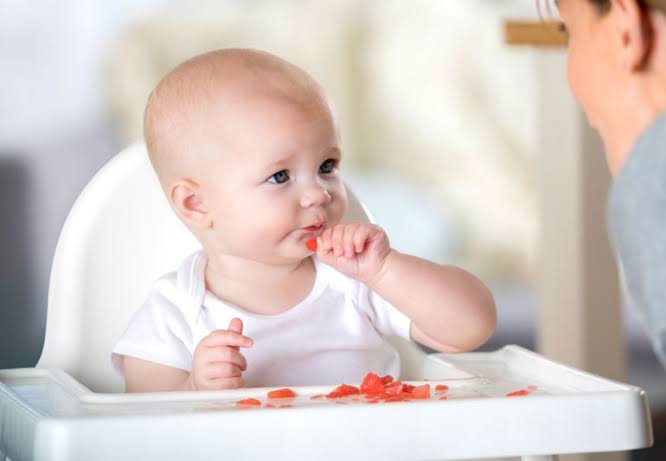
When it comes to weaning, the process of transitioning a baby from a milk-only diet to solid foods, there are several tips and guidelines that can help parents navigate this important stage of their child’s development. Here are some weaning advice for parents:
- Introduce solids gradually: Start by introducing a single food item at a time, ideally pureed or mashed, and observe how your baby reacts to it. Mashed seasonal fruits with milk fat (malai) is mostly tolerated well by infants. Change or add on second meal only after a week. Allow time for baby to adjust.
- Maintain a relaxed atmosphere: Make mealtimes enjoyable and stress-free for both you and your baby. Create a comfortable environment, free from distractions, where you can sit face-to-face with your child. This helps establish positive associations with food and encourages healthy eating habits.
- Follow your baby’s cues: Pay attention to your baby’s signals and readiness for solid foods. Signs that your baby may be ready for weaning include good head control, ability to sit up with support, showing interest in food, and loss of the tongue-thrust reflex (pushing food out of the mouth with the tongue).
- Gradually increase textures: As your baby becomes comfortable with purees, start introducing thicker textures and lumpier foods(This normally takes a month of initiation of weaning foods). This helps develop their chewing and swallowing skills. You can also introduce finger foods that are easy to hold and chew, such as soft cooked vegetables or small pieces of ripe fruits.
- Offer a variety of flavors: Introduce a wide range of flavors and textures to expand your baby’s palate. Exposing them to different tastes early on can help promote acceptance of diverse foods later in life. However, avoid adding salt, sugar, or other seasonings to your baby’s food till 10 months of age atleast.
- Continue breastfeeding or formula feeding: Remember that breast milk or formula will continue to be an important source of nutrition for your baby during the weaning process. Solid foods should complement, not replace.
- Be patient and persistent: It may take time for your baby to accept and enjoy new foods. Don’t be discouraged if they initially reject certain foods or make a mess while eating. Keep offering a variety of foods, and let your baby explore and develop their own preferences over time.
- Practice good hygiene: Ensure that all feeding equipment and utensils are clean and sterilized to maintain good hygiene. Wash your hands before preparing your baby’s food and encourage them to explore and self-feed when they are ready.
- Seek professional advice when needed: If you have concerns about your baby’s growth, nutrition, or weaning process, consult your pediatrician. They can provide personalized guidance and address any specific questions or challenges you may have.
Remember, every baby is unique, and the weaning process may vary for each child. Trust your instincts as a parent, follow your baby’s cues, and enjoy this exciting milestone in their development.
Recent Posts
October 12, 2026

September 25, 2026