Medical Info For Parents

IMG_0059.jpeg
16/Jun/2025

BCG Scar in Newborn: What Parents Need to Know

The BCG (Bacillus Calmette-Guérin) vaccine is given to protect against tuberculosis (TB) and is part of the routine immunization schedule in many countries. It is usually administered at birth or shortly after.

Here’s what parents should know about the BCG scar:


What to Expect After BCG Vaccination

  1. Local Reaction Timeline:

    • First few days: Small red bump may appear.

    • 2–4 weeks later: Bump turns into a blister or ulcer.

    • 6–12 weeks: It may ooze slightly and form a scab.

    • By 3–6 months: Heals to form a small, round scar.

  2. Scar Size:

    • The final scar is usually 5–10 mm in diameter.

    • Not all babies develop a prominent scar — but the vaccine may still be effective.


❗ When to Worry

  • Excessive swelling or pus: A little discharge is normal, but large amounts of pus or a persistent wound (>6 weeks) should be evaluated.

  • Enlarged lymph nodes (especially under the arm) that are tender or growing.

  • Fever or signs of infection unrelated to normal healing.

  • No reaction at all after 3 months: Not usually a concern, but mention it during follow-up visits.


💡 Parent Tips

  • Don’t apply creams or ointments on the BCG site.

  • Avoid bandaging unless instructed by a doctor.

  • Let the area stay dry and clean.

  • Do not try to pop or drain the blister.


✅ Why the Scar is Good

  • A visible BCG scar often indicates the body has responded to the vaccine.

  • The presence or absence of a scar doesn’t guarantee immunity, but is usually a normal part of the process.


IMG_0057.jpeg
03/Jun/2025

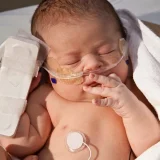
Fast breathing in an infant can be a normal response or a sign of an underlying health problem. Here’s what parents should know to recognize when it’s a concern and when to seek help.


🚼 What Is Normal Breathing in Infants?

  • Newborns (0–2 months): 30–60 breaths per minute

  • Infants (2–12 months): 20–50 breaths per minute

  • Note: Infants often breathe irregularly, with occasional pauses or bursts of rapid breathing (especially during sleep). This is usually normal.


⚠️ When Fast Breathing Might Be a Concern

Fast breathing (tachypnea) can signal several conditions, especially if it comes with other symptoms:

✅ Common Causes (Non-emergency):

  • Crying or fussing

  • Fever: Increased body temperature can increase breathing rate.

  • Recent feeding: Some babies breathe faster briefly after eating.

🚨 Concerning Causes:

  • Respiratory infections (e.g., bronchiolitis, pneumonia)

  • Asthma (less common in very young infants)

  • Congenital heart disease

  • Sepsis or serious infections

  • Metabolic disorders


🚨 When to Seek Medical Help Immediately

Call your doctor or go to the ER if your baby has:

  • Breathing rate consistently over 60 breaths/min

  • Nostrils flaring while breathing

  • Grunting sounds during exhalation

  • Chest retractions (ribs or sternum pulling in with each breath)

  • Bluish lips, tongue, or skin

  • Poor feeding

  • Lethargy or difficulty waking

  • Persistent cough, wheezing, or high-pitched sounds when breathing


👩‍⚕️ What a Doctor Might Do

  • Check oxygen levels with a pulse oximeter

  • Listen to lungs and heart

  • Order a chest X-ray or lab tests

  • Monitor for dehydration or signs of infection


🏠 What You Can Do at Home

  • Keep baby calm: crying can increase breathing rate

  • Track symptoms: note when it started, how fast they’re breathing, and any other signs

  • Keep baby upright: this may ease breathing

  • Avoid smoke exposure and sick contacts


Summary

Fast breathing in an infant isn’t always a medical emergency, but trust your instincts—if your baby seems unwell or you’re unsure, get checked promptly.


IMG_0055.jpeg
27/May/2025

Cephalhematoma in a Newborn is a collection of blood between a newborn’s skull bone and the periosteum (the membrane covering the bone). It occurs due to rupture of blood vessels during delivery, often from pressure on the baby’s head during labor or use of delivery instruments like forceps or vacuum extractors.

Key Features:

  • Location: Always confined to one cranial bone, most commonly the parietal bone.

  • Does not cross suture lines (a distinguishing feature from caput succedaneum).

  • Appears several hours after birth, not immediately.

  • Firm, well-defined swelling on the head.

  • Skin over the swelling is not discolored, unlike in bruises.

Causes:

  • Birth trauma from:

    • Vaginal delivery

    • Prolonged labor

    • Instrumental delivery (forceps or vacuum)

    • Large baby (macrosomia)

Diagnosis:

  • Clinical examination is usually sufficient.

  • Imaging (ultrasound or CT) is rarely needed unless complications or other skull injuries are suspected.

Course and Management:

  • Benign and self-limiting — most resolve on their own over weeks to months.

  • No aspiration is recommended due to risk of infection.

  • Monitor for complications like:

    • Hyperbilirubinemia (due to breakdown of blood in the hematoma)

    • Anemia (rare)

    • Infection (very rare)


Dr. Vibin KV

Dr. Vibin KV is best pediatrician in south Delhi, near safdarjung enclave. He has over 14 years experience in managing sick children from newborn to 18 years of age.
Conditions treated and services provided at the clinic include:
1) Respiratory illnesses with cough or noisy breathing- bronchiolitis, bronchitis, pneumonia, wheezing, asthma, foreign body, Inhaler therapy etc.
2) Vaccinations in all age groups.
3) New Born baby care.
4) Diarrhea, dysentery, dehydration.
5) Liver and Kidney Failure.
6) Brain infection including meningitis, encephalitis etc.
7) Urinary problems like Urinary tract infection, poor urine stream, painful urine, tight skin of the penis (phimosis) or paraphimosis, redness or pus at penis area.
8) Nephrotic syndrome and other Kidney related problems.
9) Jaundice, Hepatitis.
10) Poor growth, short stature, overweight, obesity.
11) Childhood diabetes and other endocrine problems in children.
12) Colic in infants.
13) Constipation in infants and older children.
14) Skin conditions like allergies, eczema, dermatitis, herpes, Rashes, dry skin, Dandruff, white patch over face, hair fall, dry scalp, diaper rash, nail problems etc.
15) Hernia or hydrocele- swelling in umbilical, swelling in testis, swelling in inguinal region.
16) Fever and Infections (bacterial, viral, fungal etc)
17) Seizures - Epilepsy, Febrile seizures.
18) worm infestations
19) Fall from height, head injury, Trauma, fractures (bone injury) etc.
20) PICC line and central line insertions.
21) Day care and Inpatient care facilities.
22) Adolescent care - emotional, psychological health.
23) Autism, ADHD, hyperactivity, learning disabilities, Developmental delay.
24) Short surgical procedures needing IV sedation.

Copyright by Dr. VibinKV 2023. All rights reserved.