Dengue Danger Signs in Children: What Parents Need to Know
Dengue fever is a mosquito-borne viral illness common in many tropical and subtropical regions. While most cases are mild, children can develop severe dengue, which may be life-threatening if not identified and treated early. Here’s what parents should watch for:
🧒 Early Symptoms of Dengue in Children
These occur in the first 2–5 days:
-
Sudden high fever (up to 104°F or 40°C)
-
Severe headache (especially behind the eyes)
-
Muscle and joint pain (“breakbone fever”)
-
Nausea, vomiting
-
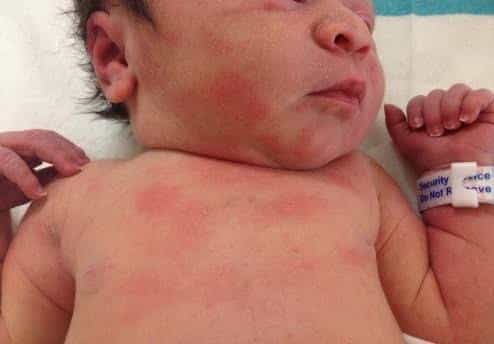
Skin rash (may appear on day 3–5)
-
Weakness, irritability, or drowsiness in younger kids
🚨 Warning Signs of Severe Dengue (Usually after Day 3)
If your child had dengue fever and then fever starts to come down, stay alert — this is when complications can begin. Look out for these danger signs:
1. Severe abdominal pain or continuous vomiting
-
Can indicate internal bleeding or organ involvement.
2. Bleeding signs
-
Bleeding from gums or nose
-
Blood in vomit or stool (black, tarry stools)
-
Easy bruising or skin petechiae (tiny red/purple spots)
3. Excessive tiredness or restlessness
-
Lethargy or irritability can suggest poor blood circulation.
4. Cold, clammy skin or weak pulse
-
Sign of shock, which is a medical emergency.
5. Difficulty breathing
-
May indicate fluid accumulation in lungs or chest.
6. Sudden drop in urine output
-
Less urination or no wet diapers could suggest dehydration or kidney involvement.
✅ What Parents Should Do
-
Seek immediate medical care if any warning signs appear.
-
Monitor temperature, fluid intake, and urine output.
-
Give only paracetamol for fever (avoid ibuprofen or aspirin—they can worsen bleeding).
-
Ensure good hydration with ORS, coconut water, soups, or electrolyte drinks.
❌ What Parents Should Avoid
-
Do not delay hospital visit if warning signs appear.
-
Avoid over-the-counter medications like ibuprofen or aspirin.
-
Don’t assume recovery just because fever drops—this is when danger can peak.
🦟 Prevention Tips
-
Use mosquito nets and repellents.
-
Eliminate stagnant water around the home.
-
Dress children in full-sleeved clothes.
If you’re unsure whether your child is improving or worsening, it’s safer to consult a doctor early. Dengue can worsen quickly, but with timely treatment, children usually recover well.