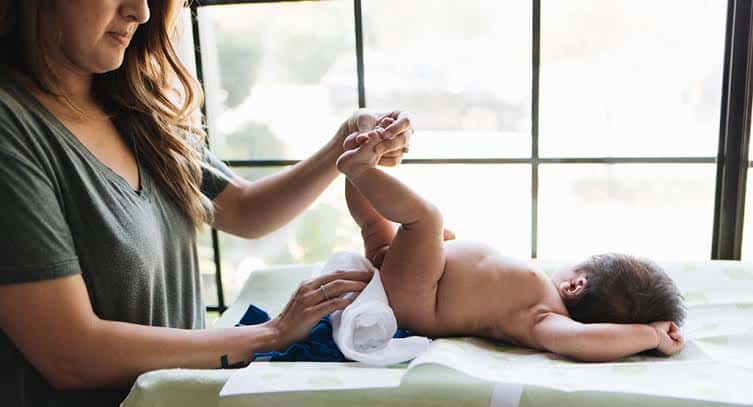
Loose stools in children – Precautions

April 13, 2024 by Dr. Vibin KV0
IMG_0457.jpeg

Parents can take several precautions to help prevent loose stools or manage them effectively:

  1. Good hygiene practices: Encourage frequent handwashing with soap and water, especially before meals and after using the bathroom, to prevent the spread of infections.
  2. Proper food handling: Ensure that food is prepared and stored safely to prevent contamination. Cook meats thoroughly, wash fruits and vegetables, and avoid giving children unpasteurized dairy products.
  3. Hydration: Make sure your child drinks plenty of fluids, such as water or ORS, to prevent dehydration, especially during episodes of loose stools.
  4. Healthy diet: Provide a balanced diet rich in fruits, vegetables, whole grains, and lean proteins to support overall gut health.
  5. Avoiding triggers: Identify and avoid foods or drinks that may trigger loose stools in your child, such as excessive sugary snacks or drinks, spicy foods, or certain allergens.
  6. Regular medical check-ups: Schedule regular visits with your child’s pediatrician for routine check-ups and vaccinations to prevent infections that can lead to loose stools.
  7. Prompt medical attention: Consult your pediatrician immediately, if your child experiences persistent or severe loose stools, signs of dehydration, or other concerning symptoms such as fever or abdominal pain.

By following these precautions, parents can help reduce the risk of loose stools in children and manage them effectively when they occur.
Leave a Reply

Your email address will not be published. Required fields are marked *


Dr. Vibin KV

Dr. Vibin KV is best pediatrician in south Delhi, near safdarjung enclave. He has over 14 years experience in managing sick children from newborn to 18 years of age.
Conditions treated and services provided at the clinic include:
1) Respiratory illnesses with cough or noisy breathing- bronchiolitis, bronchitis, pneumonia, wheezing, asthma, foreign body, Inhaler therapy etc.
2) Vaccinations in all age groups.
3) New Born baby care.
4) Diarrhea, dysentery, dehydration.
5) Liver and Kidney Failure.
6) Brain infection including meningitis, encephalitis etc.
7) Urinary problems like Urinary tract infection, poor urine stream, painful urine, tight skin of the penis (phimosis) or paraphimosis, redness or pus at penis area.
8) Nephrotic syndrome and other Kidney related problems.
9) Jaundice, Hepatitis.
10) Poor growth, short stature, overweight, obesity.
11) Childhood diabetes and other endocrine problems in children.
12) Colic in infants.
13) Constipation in infants and older children.
14) Skin conditions like allergies, eczema, dermatitis, herpes, Rashes, dry skin, Dandruff, white patch over face, hair fall, dry scalp, diaper rash, nail problems etc.
15) Hernia or hydrocele- swelling in umbilical, swelling in testis, swelling in inguinal region.
16) Fever and Infections (bacterial, viral, fungal etc)
17) Seizures - Epilepsy, Febrile seizures.
18) worm infestations
19) Fall from height, head injury, Trauma, fractures (bone injury) etc.
20) PICC line and central line insertions.
21) Day care and Inpatient care facilities.
22) Adolescent care - emotional, psychological health.
23) Autism, ADHD, hyperactivity, learning disabilities, Developmental delay.
24) Short surgical procedures needing IV sedation.

Copyright by Dr. VibinKV 2023. All rights reserved.